
Why Budgeting Matters For Your Maryland & DC Wedding
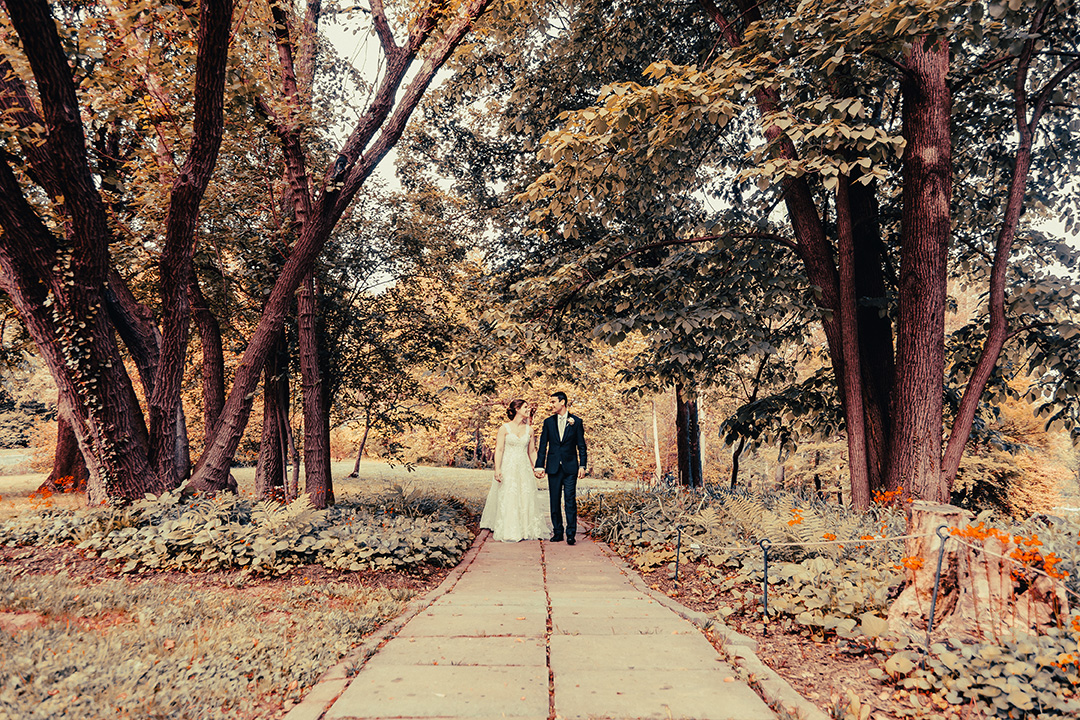
If you’re newly engaged in Maryland or DC, you’re probably excited, a little overwhelmed, and wondering where to even start with the money side of planning. You’re not alone—most couples in the DMV quickly realize that costs add up fast, and it can be hard to know what’s realistic for your vision.
Because the Maryland/DC area is a high-demand wedding market, venues book quickly, popular dates go fast, and pricing can climb higher than expected. That’s why intentional budgeting matters so much here: it helps you stay ahead of surprise bills, avoid last-minute stress, and make confident decisions as you book each vendor.
Creating a customized budget for your Maryland/DC wedding is about more than just tracking expenses. It’s a way to design a celebration that feels like “you” while still protecting your long-term financial goals as a couple—whether that’s saving for a home, paying down debt, or planning future adventures together.
Understanding The True Cost Of A Maryland/DC Wedding
One of the first things that shapes your Maryland/DC wedding budget is where, when, and how big you’re planning to celebrate. A waterfront venue in Annapolis, a historic mansion in Montgomery County, or a chic DC rooftop will each come with very different price points. Peak seasons in the DMV—especially spring and fall weekends—tend to command higher rates, while winter dates or Fridays and Sundays can sometimes offer more flexibility. Your guest count also has a significant impact on cost, as each additional person affects catering, bar, rentals, and even the size of your venue and your overall timeline.
As you start outlining your budget, it helps to think in terms of major spending categories. Venue and catering usually make up the largest portion, especially when food, bar packages, and rentals are bundled together. Photography is another key investment, since it’s what preserves your memories long after the day is over. Entertainment (like a DJ or band), décor and florals, attire for you and your partner, and logistics such as transportation, invitations, and day-of coordination all add important layers to your Maryland/DC wedding experience.
Where many couples get caught off guard is in the “hidden” or surprise expenses that don’t always show up in the initial quote. In this region, it’s common to see taxes, service charges, and gratuities added on top of your base venue and catering costs. You may also encounter overtime fees if your reception runs late, extra delivery or setup charges from rental companies, or permits and insurance requirements for certain locations. Knowing about these possibilities upfront allows you to build a buffer into your budget so you’re prepared, not panicked, when the final invoices arrive.
Step One: Clarifying Your Shared Wedding Vision
Before you open a spreadsheet or start requesting quotes, take time together to talk about what kind of wedding truly feels like “you.” Do you picture a black-tie celebration in a DC ballroom, a relaxed barn wedding in rural Maryland, or a cozy brunch reception in a suburban venue closer to home? Think about the overall vibe you want your guests to feel—romantic, elegant, laid-back, modern, or a mix of a few—and how formal you want the day to be. Having this honest conversation upfront keeps you grounded in your shared vision instead of getting swept up in what everyone else is doing.
From there, start defining a few key details that will shape your budget: an estimated guest count, your ideal time of year, and whether you’re leaning toward a city, suburban, or rural setting. In the Maryland/DC area, a 75-person winter celebration in Frederick will look very different budget-wise than a 200-person fall wedding in downtown DC or a waterfront venue on the Chesapeake. Even a rough sense of scale and season gives you a realistic framework for comparing venues and vendor options.
Finally, sit down together and list your non-negotiables and your flexible areas. Maybe having an amazing photographer and a live band are must-haves, while elaborate florals or customized favors can be scaled back. Perhaps you care more about great food and a beautiful ceremony backdrop than an extended late-night after-party. When you’re clear on what matters most, your budget becomes a reflection of your real priorities as a couple—not trends, expectations, or social media—and every dollar you spend feels more intentional.
Step Two: Determining Your Overall Wedding Budget
Once you’ve clarified your vision, it’s time to put real numbers behind it. Start by looking at what you already have saved, how much you can comfortably set aside each month between now and your wedding date, and whether any family members are planning to contribute. Add those pieces together to create a realistic budget range instead of a single rigid number—for example, “We’re aiming for $35,000–$40,000.” This gives you flexibility while still keeping your Maryland/DC wedding spending anchored in what you can truly afford.
From there, agree on a firm “do not cross” ceiling that protects your life after the wedding. Your budget should leave room for goals like building a home down payment, planning future travel, or paying down student loans and other debt. A simple way to organize your spending is to use rough percentage ranges: many couples allocate around 40–50% to venue, catering, and bar; 10–15% to photography and videography; 10–15% to entertainment; 10–15% to décor and florals; and the remainder to attire, stationery, transportation, tips, and a contingency cushion. Create a shared, living budget document—whether it’s a spreadsheet, a planning app, or a shared note—that both of you can access and update. As quotes come in and decisions are made, you’ll see in real time how each choice affects the whole picture, and you’ll stay aligned as a team.
Step Three: Guest List Decisions And How They Impact Costs
In the Maryland/DC area, your guest list is one of the biggest factors in what you’ll ultimately spend. Every additional person impacts catering, bar packages, rentals, and service. Your venue may charge per person or by food and beverage minimums, which means a jump from 120 to 150 guests can significantly increase your total. More guests also mean more tables, linens, chairs, place settings, and sometimes additional staff, which all add up quickly before you’ve even touched décor or extras.
To keep your guest count in check while still honoring important relationships, try building an A-list and a B-list. Your A-list includes the people you absolutely can’t imagine the day without—close family, wedding party, and your core circle of friends. The B-list is made up of guests you’d love to include if space and budget allow. Send invitations to your A-list first, then, as you receive “no” responses, you can invite B-list guests in waves. Being open with parents or family about your venue’s capacity and your budget helps everyone understand why the list needs to stay within a certain range.
If you’re expecting out-of-town guests for your Maryland/DC wedding, factor their travel experience into your planning as well. Consider the proximity of your venue to major airports, train stations, or highways, and research nearby hotels where you can set up a room block. Depending on your location—whether you’re in downtown DC, suburban Maryland, or a more rural setting—you may also want to budget for guest transportation, such as shuttles between hotels and the venue. Thoughtful planning for travel, lodging, and transportation keeps things smoother for your guests and helps you anticipate any additional costs associated with hosting them.
Allocating Budget For Venues And Catering In Maryland/DC
In the Maryland/DC area, your venue and catering will likely take the largest share of your budget, so it helps to understand how different venue types structure pricing. City hotels and downtown DC venues often work on a food and beverage minimum plus service fees, and may include basics like tables, chairs, linens, and glassware. Historic mansions and estates in Maryland frequently charge a flat rental fee for the property, with catering contracted separately. Barns and farm venues may offer full-weekend access and gorgeous scenery, but they may require you to bring in additional outside vendors. Golf and country clubs typically bundle room rental with in-house catering and bar packages, which can simplify planning but may limit outside food options.
As you compare venues, look closely at what is included and what you’ll need to source on your own. Some locations provide rentals, setup, and breakdown, a venue coordinator, and built-in audiovisual support, while others are more “blank slate” and require you to budget for everything from chairs and linens to restrooms, tenting, and additional staff. Ask for a detailed list of inclusions, sample invoices with taxes and service charges, and any required vendor lists so you can see the true cost of hosting your wedding there.
Catering and bar choices also play a major role in your Maryland/DC wedding budget. Full plated dinners, buffet service, family-style meals, and stations all come with different price points and staffing needs. Bar packages may be priced per person, by consumption, or with tiered options for beer and wine, or a premium open bar. To save without sacrificing the guest experience, consider offering a beer-and-wine bar with one or two signature cocktails instead of a full open bar, closing the bar during dinner, or simplifying your menu with fewer entrée choices. Small, smart adjustments to your food and drink plan can free up funds for other priorities while still giving your guests a memorable, delicious experience.
Timeline: When To Make Major Budget Decisions
Your wedding budget works best when you line it up with a clear planning timeline. Early in the process—ideally 12 to 18 months before your ideal date—focus on the big-picture decisions that shape everything else: your total budget range, an estimated guest count, the general type of venue you want (city hotel, historic estate, barn, golf club), and a preferred date range or season. These choices determine what’s realistic in the Maryland/DC market and help you narrow your search to venues that truly fit both your vision and your numbers.
Once you’ve settled on a budget, guest count, and date range, your next step is securing your priority vendors. In the DMV, venues and catering are usually booked first, often a year or more in advance, especially for popular spring and fall weekends. As soon as you have a signed venue contract, book photography and entertainment quickly, since in-demand photographers, DJs, and bands fill their calendars early. After those anchors are locked in, you can pace out decisions on florals, décor, attire, and transportation over the following months, adjusting your budget as real quotes come in and keeping everything aligned with your original financial plan.
Smart Ways To Save On A Maryland/DC Wedding Without Feeling Deprived
If you want to save money on your Maryland/DC wedding without feeling like you’re cutting all the fun, start with the levers that make the biggest impact: date, time of day, and guest count. Being open to a Friday, Sunday, or off-season date can bring down venue and catering minimums in this busy market. Choosing a brunch or afternoon celebration instead of a prime Saturday evening can also reduce bar and food costs. And because every guest adds to your catering, bar, and rental totals, trimming your list even slightly can free up thousands of dollars without changing the heart of your day.
Instead of cutting everywhere, focus your spending on the experiences guests will remember most: great food, a lively dance floor, and meaningful, well-captured moments. That might mean investing in a solid catering team, a DJ or band that keeps people on their feet, and a photographer whose work you truly love, while keeping other details like favors or elaborate décor more minimal. When your core experiences are strong, your wedding feels full and generous, even with a thoughtful budget.
For personal touches that don’t lead to burnout, choose just a few simple DIY or done-with-family projects. Think handwritten place cards, a welcome sign made with a crafty relative, a family recipe dessert on the sweets table, or a small favors display you assemble together the week of the wedding. The key is to pick projects that genuinely excite you and can be done well in advance, so they add personality to your Maryland/DC wedding day without adding stress.
Once you feel comfortable with your budget, the next step is seeing how all the pieces fit together. Our Wedding Planning Guide for Maryland & DC Couples walks you through timelines, venue scouting, vendor checklists, and design decisions in one place