
How to Get Natural, Candid Wedding Photos in DC and Maryland
What “Natural and Candid” Really Means (and What It Doesn’t)
Define “natural” as a comfortable connection, not perfect posing
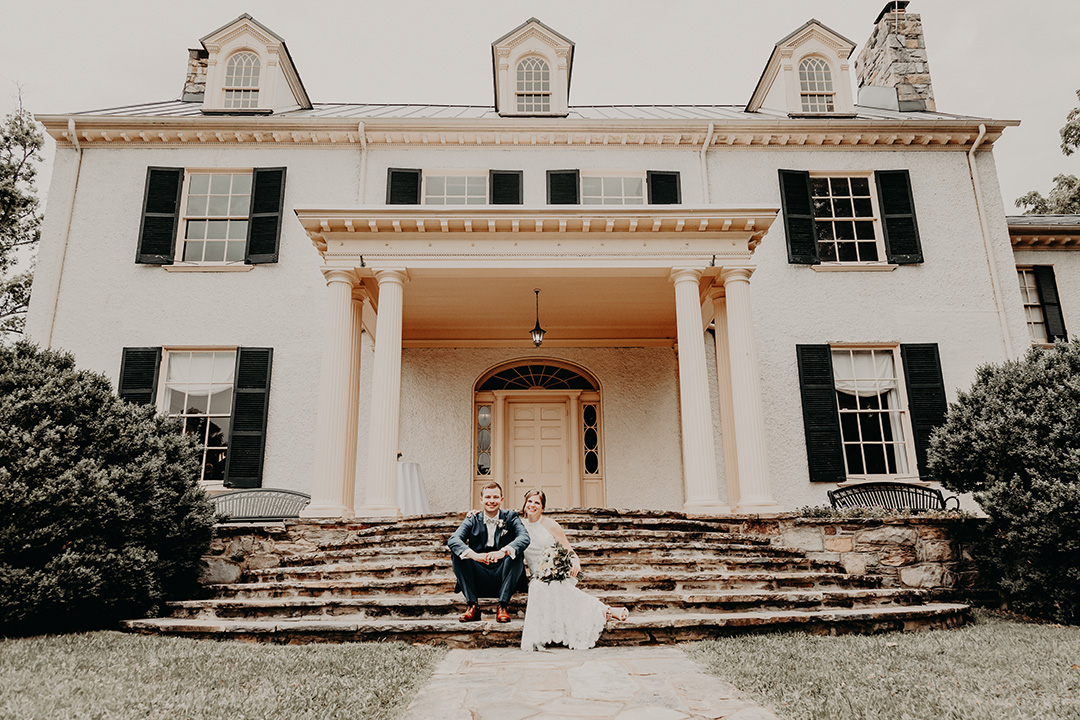
When we say “natural,” we mean photos that feel like the two of you—comfortable, connected, and genuinely yourselves. It’s not about perfect posing or holding a stiff smile. It’s about you being close, relaxed, and present together, so your expressions look real because they are.
When we say “natural,” we mean photos that feel like the two of you—comfortable, connected, and genuinely yourselves. It’s not about perfect posing or holding a stiff smile. It’s about you being close, relaxed, and present together, so your expressions look real because they are.
Define “candid” as real moments with intentional coverage, not random snapshots.
When we say “candid,” we mean the real stuff you can’t fake—your reaction during the first look, a laugh during toasts, a quiet squeeze of the hand, happy tears, and the way you naturally look at each other. Candid doesn’t mean random or uncontrolled. We’re still intentionally covering your day so those moments are captured clearly, in great light when possible, and from the best angles.
Clarify the balance: gentle direction + real emotion
You don’t need to know what to do in front of the camera. We’ll give gentle direction to keep you comfortable and looking your best—then we’ll step back and let you be in the moment. That balance creates photos that look effortless yet still feel polished.
You don’t need to know what to do in front of the camera. We’ll give gentle direction to keep you comfortable and looking your best—then we’ll step back and let you be in the moment. That balance creates photos that look effortless yet still feel polished.
You’ll still get the must-have portraits, just relaxed
You will absolutely get the must-have portraits—this is the exception for portraits. For your couple portraits and family formals, we’ll give clear, simple guidance so you look amazing and everything stays efficient. The difference is that the posing stays relaxed, with natural movement and real expressions, not forced perfection.
Planning takeaway: the more present you feel, the more authentic your expressions look
The biggest “secret” to natural photos is being present with each other. If you can slow down, breathe, and focus on what the day actually means to you, your face will show it. The more you feel the moment, the more your photos will look like you.
The biggest “secret” to natural photos is being present with each other. If you can slow down, breathe, and focus on what the day actually means to you, your face will show it. The more you feel the moment, the more your photos will look like you.
Pick a Photographer Whose Style Matches Your Personality
Consistency in real moments
When you’re choosing a photographer, look for work that feels believable—not just a handful of “perfect” images. You want to see genuine expressions, real reactions, and strong storytelling even when the day isn’t picture-perfect. If the emotions feel real and the photos look consistent in different settings and lighting situations, that’s a strong sign their approach will fit you.
When you’re choosing a photographer, look for work that feels believable—not just a handful of “perfect” images. You want to see genuine expressions, real reactions, and strong storytelling even when the day isn’t picture-perfect. If the emotions feel real and the photos look consistent in different settings and lighting situations, that’s a strong sign their approach will fit you.
Questions to ask on a consult
How do they direct without overposing
Ask how they guide you so you don’t feel stiff or performative. We want direction that’s simple and natural—enough to help you feel confident, but not so much that it stops the real connection. (Exception for portraits: for family formals and key portraits, clear direction is important—just delivered in a relaxed way.)
Ask how they guide you so you don’t feel stiff or performative. We want direction that’s simple and natural—enough to help you feel confident, but not so much that it stops the real connection. (Exception for portraits: for family formals and key portraits, clear direction is important—just delivered in a relaxed way.)
How they handle harsh sun, dark churches, mixed lighting
Ask what their plan is when the lighting gets tough. A confident photographer will explain how they adapt to midday sun, handle low-light ceremonies (including dark churches), and keep skin tones looking natural in mixed lighting, such as uplighting and DJ lights.
Ask what their plan is when the lighting gets tough. A confident photographer will explain how they adapt to midday sun, handle low-light ceremonies (including dark churches), and keep skin tones looking natural in mixed lighting, such as uplighting and DJ lights.
How they manage family formals efficiently
Ask what their system is for family photos. The best approach is organized and calm: a simple list, clear grouping, and quick transitions so you’re not stuck rounding people up. This is where experience matters—keeping it moving while still getting everyone looking their best.
Ask what their system is for family photos. The best approach is organized and calm: a simple list, clear grouping, and quick transitions so you’re not stuck rounding people up. This is where experience matters—keeping it moving while still getting everyone looking their best.
Local angle: experience navigating DC crowds, permits, and tight timelines
In DC and Maryland, logistics can make or break the day’s flow. We want someone who’s comfortable working around crowds, knows when permits or restrictions might apply, and can build a realistic plan for portraits and travel time—especially with traffic, parking, and venue timing.
In DC and Maryland, logistics can make or break the day’s flow. We want someone who’s comfortable working around crowds, knows when permits or restrictions might apply, and can build a realistic plan for portraits and travel time—especially with traffic, parking, and venue timing.
Build Trust Before the Wedding Day (So You Can Forget the Camera)
Communication steps that create comfort
The fastest way to feel natural on camera is to build trust before the wedding. When we communicate clearly early on, you won’t be guessing what to do—or worrying about how you look—because you’ll already know what to expect.
The fastest way to feel natural on camera is to build trust before the wedding. When we communicate clearly early on, you won’t be guessing what to do—or worrying about how you look—because you’ll already know what to expect.
Share what feels awkward (stiff posing, being watched, forced smiles)
Tell us what makes you feel self-conscious. If stiff posing feels fake, if you hate being watched, or if forced smiling makes you feel tense, say it. When we know your “no thanks” list, we can avoid the situations that make you shut down and plan a smoother approach.
Tell us what makes you feel self-conscious. If stiff posing feels fake, if you hate being watched, or if forced smiling makes you feel tense, say it. When we know your “no thanks” list, we can avoid the situations that make you shut down and plan a smoother approach.
Share what feels natural (walking, hugging, dancing)
Then share what feels like you. If you feel comfortable walking together, hugging, dancing, holding hands, or just talking quietly, that helps us build photos around natural movement and real connection—so your expressions look effortless.
Then share what feels like you. If you feel comfortable walking together, hugging, dancing, holding hands, or just talking quietly, that helps us build photos around natural movement and real connection—so your expressions look effortless.
Build familiarity
Comfort grows with familiarity. The more you know what we’ll do and how we’ll guide you, the less the camera feels like a “thing” on the wedding day—and the more it just feels like you’re living your day.
Comfort grows with familiarity. The more you know what we’ll do and how we’ll guide you, the less the camera feels like a “thing” on the wedding day—and the more it just feels like you’re living your day.
Quick planning call to align expectations
A short check-in close to the wedding helps everything click: timeline flow, lighting realities, where portraits fit best, and how much direction you want. It’s also a good time to talk through any camera nerves so nothing comes as a surprise.
A short check-in close to the wedding helps everything click: timeline flow, lighting realities, where portraits fit best, and how much direction you want. It’s also a good time to talk through any camera nerves so nothing comes as a surprise.
Photographer’s approach
A calm, consistent approach matters. We’ll give clear direction when you need it, keep things moving without pressure, and step back when the real moments are happening. The goal is for you to feel supported—not performed.
A calm, consistent approach matters. We’ll give clear direction when you need it, keep things moving without pressure, and step back when the real moments are happening. The goal is for you to feel supported—not performed.
Plan a Timeline That Protects the Moments (and Your Sanity)
Build in buffer time (this is the #1 candid-photo hack)
The easiest way to get natural, candid photos is to stop running behind the camera. When you have breathing room, you’re more present, your expressions soften, and real moments actually have space to happen.
The easiest way to get natural, candid photos is to stop running behind the camera. When you have breathing room, you’re more present, your expressions soften, and real moments actually have space to happen.
Hair/makeup padding
Hair and makeup almost always run a little long—and that’s normal. Build in extra time so you’re not rushed into getting dressed, skipping food, or starting photos with stress on your face.
Hair and makeup almost always run a little long—and that’s normal. Build in extra time so you’re not rushed into getting dressed, skipping food, or starting photos with stress on your face.
Travel time padding (especially DC traffic)
DC and parts of Maryland can be unpredictable with traffic, road closures, motorcades, parking, and event congestion. Add padding to every drive, and plan for getting in/out of busy areas so you’re not watching the clock during what should feel like a calm day.
DC and parts of Maryland can be unpredictable with traffic, road closures, motorcades, parking, and event congestion. Add padding to every drive, and plan for getting in/out of busy areas so you’re not watching the clock during what should feel like a calm day.
“Breather” moments before the ceremony and before the reception entrance
Schedule short pauses on purpose: one before you walk down the aisle, and one before you enter the reception. These little resets help you soak it in, slow your breathing, and walk into the next part of the day feeling grounded (and yes—those quiet moments photograph beautifully).
Schedule short pauses on purpose: one before you walk down the aisle, and one before you enter the reception. These little resets help you soak it in, slow your breathing, and walk into the next part of the day feeling grounded (and yes—those quiet moments photograph beautifully).
Sequence options that reduce stress
First look + portraits before the ceremony
This option usually creates the most breathing room. You can get a big chunk of portraits done earlier, enjoy more of cocktail hour, and step into the ceremony without wondering when you’ll have time for photos. (Exception for portraits: we’ll guide you more here, but we keep it relaxed and efficient.)
This option usually creates the most breathing room. You can get a big chunk of portraits done earlier, enjoy more of cocktail hour, and step into the ceremony without wondering when you’ll have time for photos. (Exception for portraits: we’ll guide you more here, but we keep it relaxed and efficient.)
Ceremony-first reveal + short portrait window after
If you want the first time you see each other to be at the ceremony, that’s absolutely doable. The key is protecting a short portrait window afterward and being realistic about travel and family photos. With a tight plan and quick guidance (exception for portraits), you can still get beautiful portraits without feeling pulled away for too long.
If you want the first time you see each other to be at the ceremony, that’s absolutely doable. The key is protecting a short portrait window afterward and being realistic about travel and family photos. With a tight plan and quick guidance (exception for portraits), you can still get beautiful portraits without feeling pulled away for too long.
A timeline structure that encourages real moments
Unhurried getting ready
Build extra minutes into getting dressed, finishing details, and reading notes. When you’re not rushing, the room feels calmer, interactions feel more natural, and the photos reflect that.
Build extra minutes into getting dressed, finishing details, and reading notes. When you’re not rushing, the room feels calmer, interactions feel more natural, and the photos reflect that.
Private pause together (even 3 minutes)
Schedule a tiny “just us” moment—literally three minutes—where you can breathe, hold hands, and take in the fact that you just got married. No phones, no talking to anyone else. These are often the most meaningful memories and some of the most authentic photos.
Schedule a tiny “just us” moment—literally three minutes—where you can breathe, hold hands, and take in the fact that you just got married. No phones, no talking to anyone else. These are often the most meaningful memories and some of the most authentic photos.
Cocktail hour is the time when you actually mingle
If you care about candid photos with your guests, protect your time with them. That might mean doing some portraits earlier, keeping family photos organized, and making sure you’re not stuck in transit. The more you’re present with your people, the more real moments we can capture.
If you care about candid photos with your guests, protect your time with them. That might mean doing some portraits earlier, keeping family photos organized, and making sure you’re not stuck in transit. The more you’re present with your people, the more real moments we can capture.
Getting Ready: The Calm Start That Sets Up Candid Storytelling
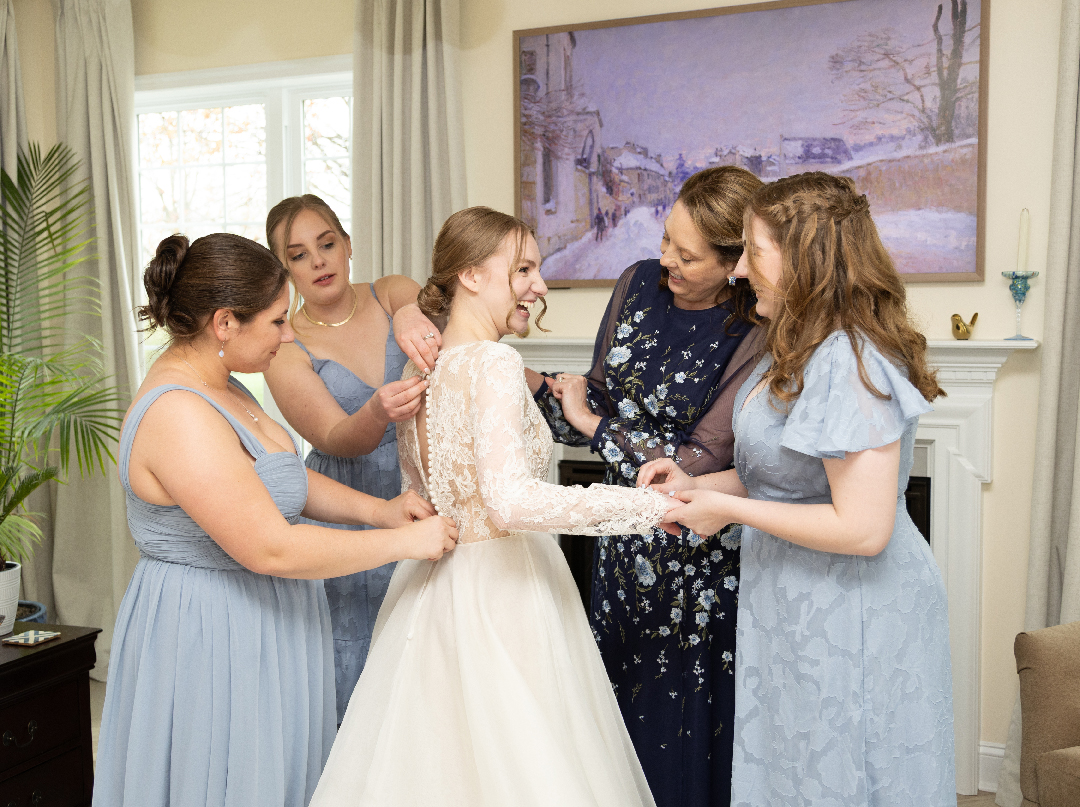
Getting ready is where the day’s energy is set. If you want natural, candid wedding photos, this is the part of the timeline where slowing down pays off the most. The small interactions—someone fastening a button, a friend adjusting a veil, a parent watching quietly from the corner—often become the images you feel the deepest connection to later.
Getting ready is where the day’s energy is set. If you want natural, candid wedding photos, this is the part of the timeline where slowing down pays off the most. The small interactions—someone fastening a button, a friend adjusting a veil, a parent watching quietly from the corner—often become the images you feel the deepest connection to later.
Room setup tips for natural moments
Pick a space with window light and enough room to move.
Choose a room with at least one large window and a little breathing space so everyone can move without bumping into bags, garment covers, and chairs. Window light helps your skin look soft and true-to-life, and it keeps the mood calm because I can photograph moments as they unfold without needing harsh flash. In DC and Maryland, hotel suites and venue getting-ready rooms can vary a lot, so even if the space is small, we can usually make one “clean corner” near a window that becomes your best spot for both candids and quick portraits.
Choose a room with at least one large window and a little breathing space so everyone can move without bumping into bags, garment covers, and chairs. Window light helps your skin look soft and true-to-life, and it keeps the mood calm because I can photograph moments as they unfold without needing harsh flash. In DC and Maryland, hotel suites and venue getting-ready rooms can vary a lot, so even if the space is small, we can usually make one “clean corner” near a window that becomes your best spot for both candids and quick portraits.
Clear clutter zones (bags, food, garment covers)
Clutter doesn’t ruin your morning, but it can distract in photos. Set aside one area—usually a closet, bathroom, or a single wall—where everything gets placed as it arrives: backpacks, coffee cups, takeout, boxes, spare hangers, and garment bags. If you assign one friend as the “tidy hero” (the person who does quick sweeps when things pile up), you’ll keep the room photo-ready without turning the morning into a cleaning project. The goal is simple: fewer visual distractions so your photos focus on faces, hands, and emotions.
Clutter doesn’t ruin your morning, but it can distract in photos. Set aside one area—usually a closet, bathroom, or a single wall—where everything gets placed as it arrives: backpacks, coffee cups, takeout, boxes, spare hangers, and garment bags. If you assign one friend as the “tidy hero” (the person who does quick sweeps when things pile up), you’ll keep the room photo-ready without turning the morning into a cleaning project. The goal is simple: fewer visual distractions so your photos focus on faces, hands, and emotions.
Detail prep for storytelling photos
Rings, invitation suite, vow books, heirlooms, meaningful accessories
Gather your meaningful items early and keep them together in one spot so nothing gets lost in the morning shuffle. Rings, invitation suite pieces, vow books, heirlooms, a fragrance bottle, or a handkerchief from a loved one all help tell the story of your day in a way that feels personal instead of generic. If you’re getting ready at a DC hotel or a Maryland venue, I’ll usually photograph these near a window on a clean surface so they look elevated and intentional, even if the room is busy. A small box or bag labeled “details” makes this effortless.
Rings, invitation suite, vow books, heirlooms, meaningful accessories
Gather your meaningful items early and keep them together in one spot so nothing gets lost in the morning shuffle. Rings, invitation suite pieces, vow books, heirlooms, a fragrance bottle, or a handkerchief from a loved one all help tell the story of your day in a way that feels personal instead of generic. If you’re getting ready at a DC hotel or a Maryland venue, I’ll usually photograph these near a window on a clean surface so they look elevated and intentional, even if the room is busy. A small box or bag labeled “details” makes this effortless.
Emotional moments to build in (not staged, just planned)
Private letter reading
A letter reading is one of the easiest ways to create real emotion without forcing anything. Build in five quiet minutes to read privately, with no audience. Whether it makes you laugh, cry, or just breathe deeper, it creates a genuine pause in the day—and those pauses photograph beautifully because they’re real.
A letter reading is one of the easiest ways to create real emotion without forcing anything. Build in five quiet minutes to read privately, with no audience. Whether it makes you laugh, cry, or just breathe deeper, it creates a genuine pause in the day—and those pauses photograph beautifully because they’re real.
A quiet minute with a parent or sibling
If there’s someone you know who will ground you, plan a short moment with them before everything speeds up. This can be as simple as sitting together for a minute, holding hands, or sharing a quick hug before you get dressed. It’s not about posing—it’s about giving that relationship a space to show up naturally, which often leads to the most heartfelt candids.
If there’s someone you know who will ground you, plan a short moment with them before everything speeds up. This can be as simple as sitting together for a minute, holding hands, or sharing a quick hug before you get dressed. It’s not about posing—it’s about giving that relationship a space to show up naturally, which often leads to the most heartfelt candids.
Gift exchange that’s actually meaningful to you
If you want to exchange gifts, choose something that sparks a real reaction—something personal, funny, sentimental, or useful—not something that feels like you’re doing it because you “should.” Meaningful gifts create authentic expressions: surprise, laughter, happy tears, and that quiet look of being seen. And because it’s a real interaction, it never feels staged on camera.
If you want to exchange gifts, choose something that sparks a real reaction—something personal, funny, sentimental, or useful—not something that feels like you’re doing it because you “should.” Meaningful gifts create authentic expressions: surprise, laughter, happy tears, and that quiet look of being seen. And because it’s a real interaction, it never feels staged on camera.
First Look or No First Look: How to Decide for More Real Emotion
Decision factors (no pressure either way)
There’s no “right” choice—only what fits you. Both options can lead to emotional, natural photos when the plan supports the experience, not the other way around.
There’s no “right” choice—only what fits you. Both options can lead to emotional, natural photos when the plan supports the experience, not the other way around.
Do you want a private moment together before the ceremony?
If you’d love a quiet pause to breathe, hug, and take each other in before the day gets loud, a first look can be a really grounding moment. It’s often the first time you get to be “just us” on a packed timeline.
If you’d love a quiet pause to breathe, hug, and take each other in before the day gets loud, a first look can be a really grounding moment. It’s often the first time you get to be “just us” on a packed timeline.
Do you prefer the “aisle reveal” experience?
If you’ve dreamed about seeing each other for the first time as you walk down the aisle—and you know that moment will feel bigger for you in front of everyone—skipping the first look makes total sense. That aisle reveal can be powerful and emotional in its own way.
If you’ve dreamed about seeing each other for the first time as you walk down the aisle—and you know that moment will feel bigger for you in front of everyone—skipping the first look makes total sense. That aisle reveal can be powerful and emotional in its own way.
How important is cocktail hour mingling?
If being with your guests during cocktail hour matters a lot, a first look can help protect that time since portraits often happen earlier. If cocktail hour isn’t a priority, you have more flexibility either way.
If being with your guests during cocktail hour matters a lot, a first look can help protect that time since portraits often happen earlier. If cocktail hour isn’t a priority, you have more flexibility either way.
How to keep it natural if you do a first look
Choose a private location.
Pick a spot with fewer people around so you can actually focus on each other. Privacy helps you relax, respond honestly, and stay present—especially in busy DC and Maryland.
Pick a spot with fewer people around so you can actually focus on each other. Privacy helps you relax, respond honestly, and stay present—especially in busy DC and Maryland.
Simple directions: walk in, pause, react, breathe
We’ll keep it simple and low-pressure: one of you gets in place, the other walks in, you take a beat, and you react naturally. No choreography—just a calm setup so the moment can unfold.
We’ll keep it simple and low-pressure: one of you gets in place, the other walks in, you take a beat, and you react naturally. No choreography—just a calm setup so the moment can unfold.
Don’t over-rehearse it—let it happen.
The more you try to plan the “perfect reaction,” the less real it feels. Let yourselves be quiet, laugh, cry, hug—whatever comes naturally. That’s the whole point.
The more you try to plan the “perfect reaction,” the less real it feels. Let yourselves be quiet, laugh, cry, hug—whatever comes naturally. That’s the whole point.
If you skip it
Build in a calm portrait window after ceremony
If you wait until after the ceremony, the key is protecting a short portrait window so you’re not squeezed into photos with zero breathing room. (Exception for portraits: this is when we’ll guide you clearly and quickly so it stays relaxed and efficient.)
If you wait until after the ceremony, the key is protecting a short portrait window so you’re not squeezed into photos with zero breathing room. (Exception for portraits: this is when we’ll guide you clearly and quickly so it stays relaxed and efficient.)
Protect time so you aren’t rushed
Rushed timelines create forced expressions. A little padding after the ceremony helps you stay present, enjoy the “we just got married” feeling, and get portraits that still look natural—even without a first look.
Rushed timelines create forced expressions. A little padding after the ceremony helps you stay present, enjoy the “we just got married” feeling, and get portraits that still look natural—even without a first look.
Family Formals Without the Stiffness (Yes, It’s Possible)
How to keep it fast and relaxed
Family formals don’t have to feel awkward or take forever. With a simple plan and calm direction, they can be efficient, upbeat, and surprisingly easy. (Exception for portraits: formals are one of the moments we’ll guide more firmly—so it moves quickly and everyone looks their best.)
Family formals don’t have to feel awkward or take forever. With a simple plan and calm direction, they can be efficient, upbeat, and surprisingly easy. (Exception for portraits: formals are one of the moments we’ll guide more firmly—so it moves quickly and everyone looks their best.)
Make a short, organized list
Keep it tight: immediate family, grandparents, and a few key combinations you truly want. A shorter list means less waiting, fewer missing people, and better expressions because everyone stays engaged.
Keep it tight: immediate family, grandparents, and a few key combinations you truly want. A shorter list means less waiting, fewer missing people, and better expressions because everyone stays engaged.
Assign a “family wrangler” who knows faces and names
Choose one person from each side who’s confident, loud enough to help, and actually knows who’s who. They help pull the next group while we’re photographing the current one—this is the secret to speed and sanity.
Choose one person from each side who’s confident, loud enough to help, and actually knows who’s who. They help pull the next group while we’re photographing the current one—this is the secret to speed and sanity.
Posing that still feels natural
We keep posing simply and flattering: shoulders relaxed, hands placed naturally, and spacing that looks connected (not like you’re lined up for a team photo). Small adjustments make a big difference, and we’ll prompt quick, genuine smiles without forcing it.
We keep posing simply and flattering: shoulders relaxed, hands placed naturally, and spacing that looks connected (not like you’re lined up for a team photo). Small adjustments make a big difference, and we’ll prompt quick, genuine smiles without forcing it.
Timing strategy
Do immediate family first, then extended groups
Start with the people who matter most and are most likely to have schedule constraints. Then move outward to larger combinations. This keeps the flow logical and reduces the “Where did Uncle so-and-so go?” panic.
Start with the people who matter most and are most likely to have schedule constraints. Then move outward to larger combinations. This keeps the flow logical and reduces the “Where did Uncle so-and-so go?” panic.
Keep elders seated when possible
For grandparents and older relatives, we’ll build groups around them so they don’t have to stand up and sit down repeatedly. It’s more comfortable for them, and it keeps everything moving smoothly.
For grandparents and older relatives, we’ll build groups around them so they don’t have to stand up and sit down repeatedly. It’s more comfortable for them, and it keeps everything moving smoothly.
Reception Candids: Where the Best Stories Usually Hide
What creates real candids at receptions
The best reception photos don’t come from “performing” for the camera—they happen when you’re actually living the night.
The best reception photos don’t come from “performing” for the camera—they happen when you’re actually living the night.
You actually on the dance floor
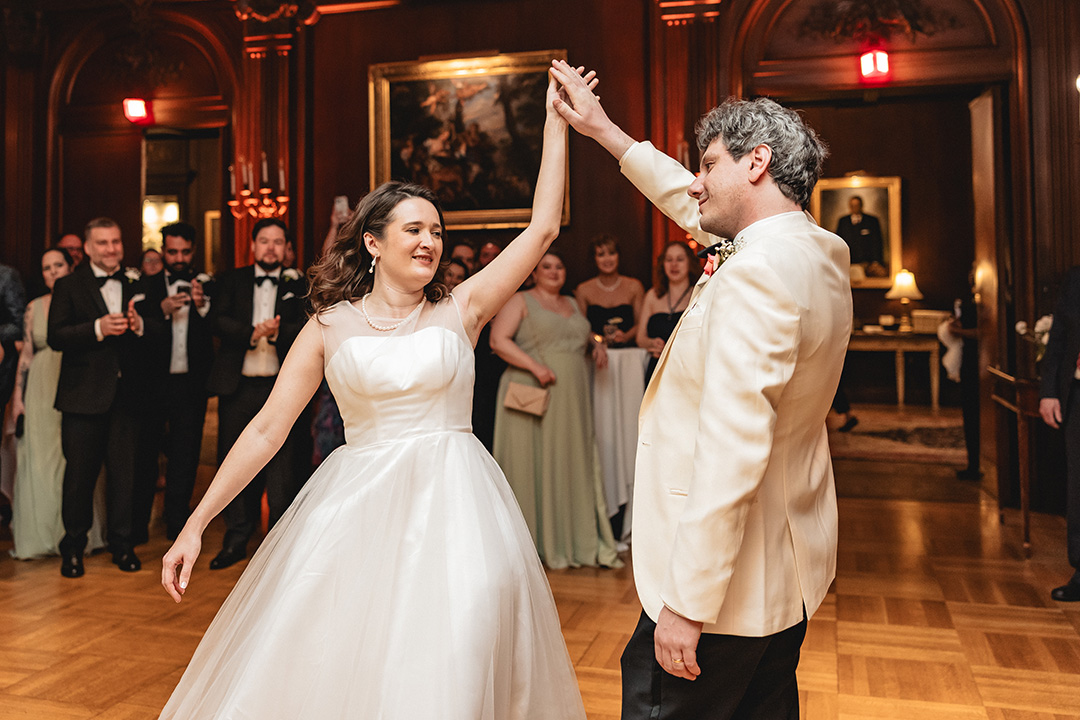
If you want fun, energetic candids, the easiest move is simple: get out there. The more you dance, laugh, and pull people in, the more genuine moments happen around you—and the more your gallery feels like your real party.
If you want fun, energetic candids, the easiest move is simple: get out there. The more you dance, laugh, and pull people in, the more genuine moments happen around you—and the more your gallery feels like your real party.
Real toasts with space for reactions
Great toast photos aren’t just the person speaking—they’re your faces while you react. Make sure you can actually see the speaker, and give yourselves a little space to be expressive without feeling crowded. Those laughs, tears, and “oh my gosh” looks are what you’ll love later.
Great toast photos aren’t just the person speaking—they’re your faces while you react. Make sure you can actually see the speaker, and give yourselves a little space to be expressive without feeling crowded. Those laughs, tears, and “oh my gosh” looks are what you’ll love later.
Time to mingle table-to-table
If you care about guest candids, protect time to move around the room. Even 10–15 minutes of intentional mingling can create a ton of meaningful photos—hugs, reunions, introductions, and little conversations you didn’t realize mattered until you see them.
If you care about guest candids, protect time to move around the room. Even 10–15 minutes of intentional mingling can create a ton of meaningful photos—hugs, reunions, introductions, and little conversations you didn’t realize mattered until you see them.
Uplighting considerations for skin tones and overall mood
Uplighting can feel incredible in person, but super-saturated colors (especially heavy magenta, deep blue, and intense green) can tint skin in photos. If you want the most natural look, consider keeping uplighting softer during key moments like entrances, first dances, and toasts—or choose warmer, more neutral tones that still feel romantic without overpowering skin tones.\
Uplighting can feel incredible in person, but super-saturated colors (especially heavy magenta, deep blue, and intense green) can tint skin in photos. If you want the most natural look, consider keeping uplighting softer during key moments like entrances, first dances, and toasts—or choose warmer, more neutral tones that still feel romantic without overpowering skin tones.\
Private last dance
A private last dance is one of the most underrated moments of the day. It gives you a quiet, real ending—no eyes on you, no timeline pressure—just a minute to soak it in together (and it photographs beautifully).
A private last dance is one of the most underrated moments of the day. It gives you a quiet, real ending—no eyes on you, no timeline pressure—just a minute to soak it in together (and it photographs beautifully).
A quick breather outside the venue
Stepping outside for 2–3 minutes can quickly reset your nervous system. It’s a chance to breathe, laugh, and reconnect—especially if the reception gets loud. Those few minutes often yield some of the night’s most natural expressions.
Stepping outside for 2–3 minutes can quickly reset your nervous system. It’s a chance to breathe, laugh, and reconnect—especially if the reception gets loud. Those few minutes often yield some of the night’s most natural expressions.
Final Thoughts: The “Awkward” Feeling Is Normal, and It Passes
If you feel awkward in front of the camera, you’re not doing anything wrong. Most couples aren’t models, and you don’t need to suddenly become someone who loves being photographed to get natural, candid images. Awkwardness usually shows up in the first few minutes—when you’re thinking about what you look like, what your face is doing, or whether you’re “posing correctly.” The fastest way through it is to stop performing and start interacting.
Focus on your partner, not the camera. Listen to their voice. React to what they say. Let your attention land on something real—how they’re smiling, the way they hold your hand, the fact that you’re actually getting married. When your brain is engaged in a real moment, your expression softens automatically, and your body language becomes more natural.
Keep your hands busy to keep your body grounded. Holding hands while you walk, resting a hand on a shoulder, adjusting a jacket lapel once, brushing a strand of hair back, or holding your bouquet low and relaxed gives you something to do without looking staged. The key is small, familiar movement—nothing dramatic—because that’s what reads as effortless in photos.
Candid photos happen when you’re living your day. The more you stay present—hugging friends, laughing during toasts, taking a quiet breath when emotions hit—the more your gallery will look like your real story instead of a photo shoot.
For a complete breakdown of wedding photography in the region, check out The Ultimate Guide to Wedding Photography in MD, DC, VA—a helpful resource for newly engaged couples.