
Top of the Town Wedding Photography: A Complete Venue Guide for Arlington, Virginia Couples
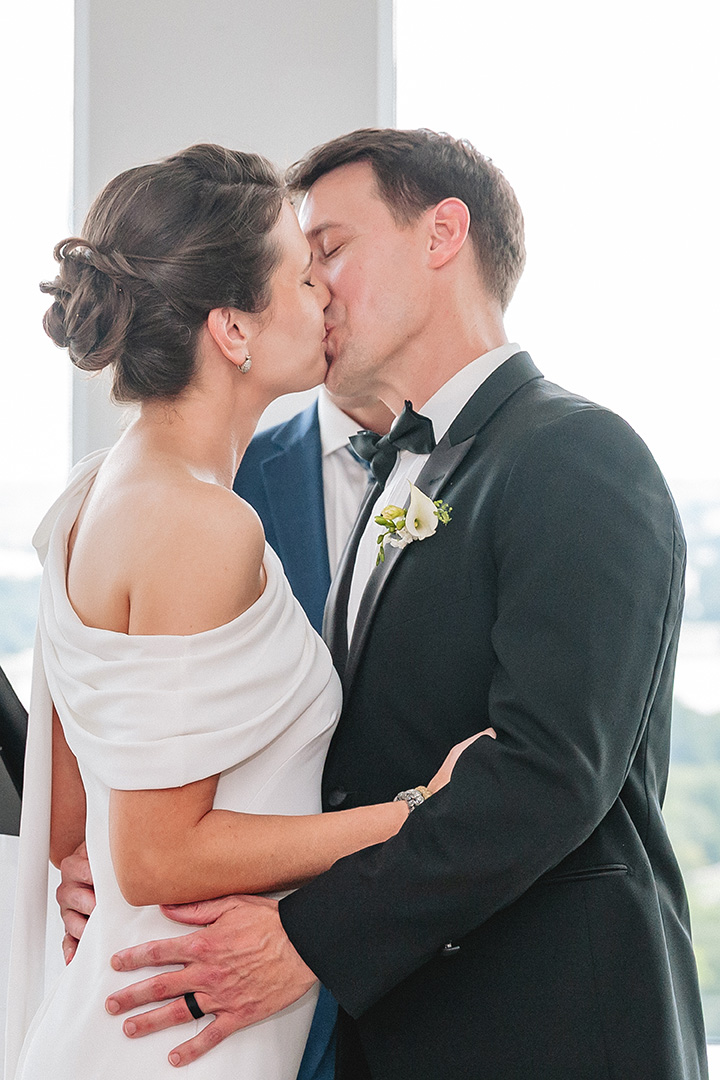
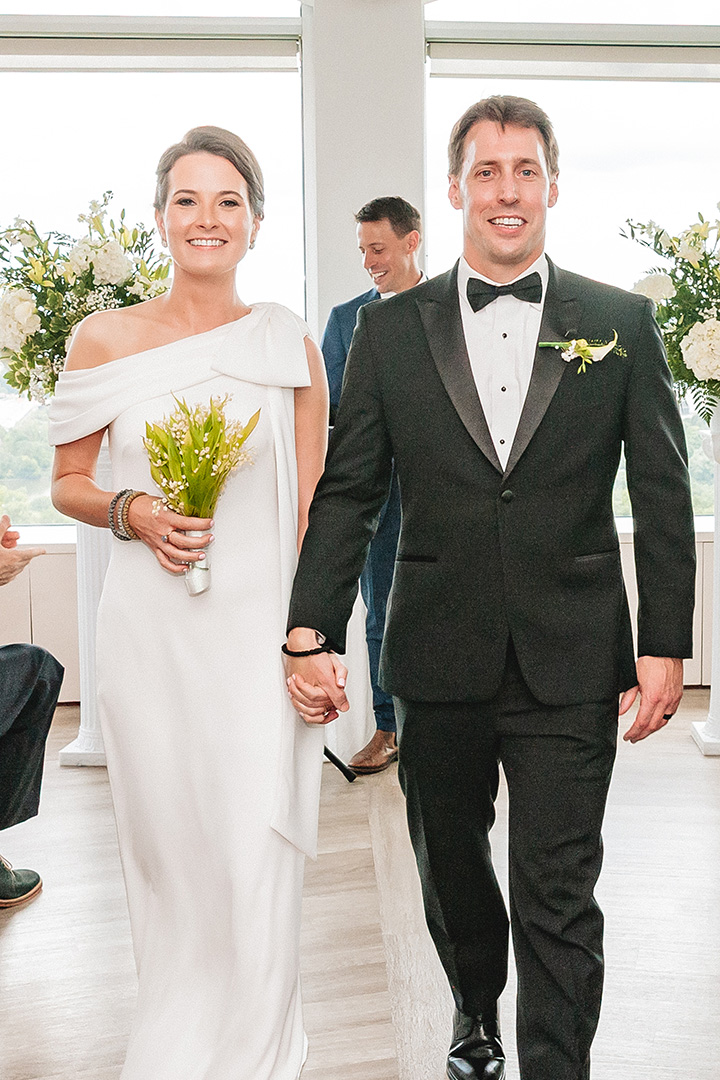
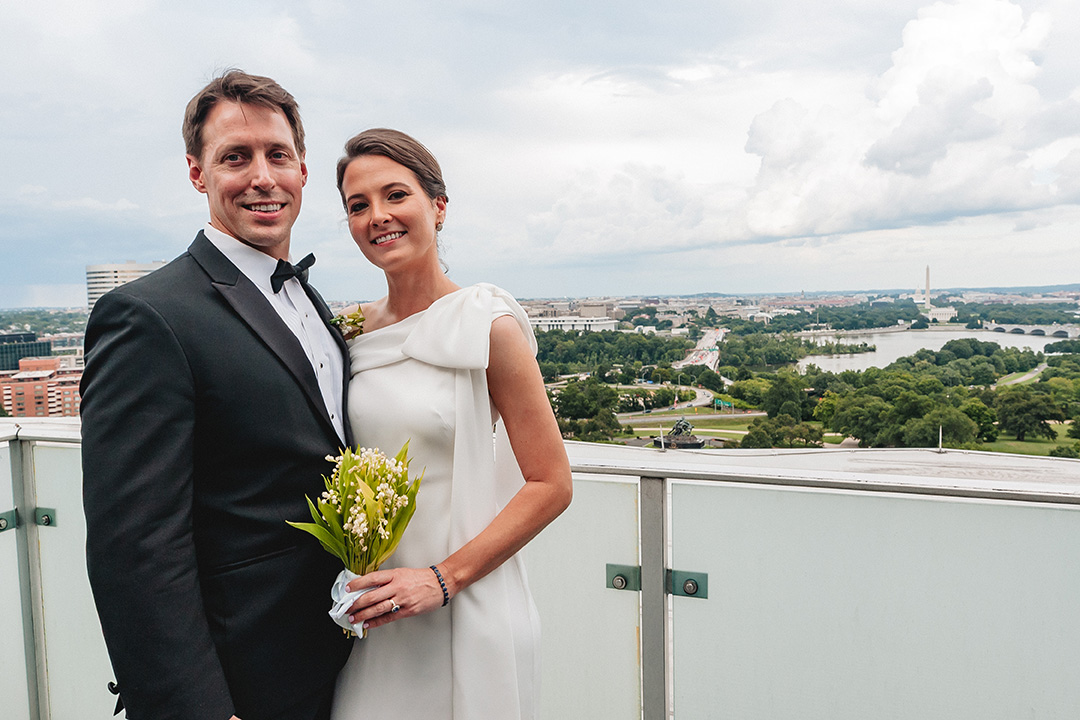
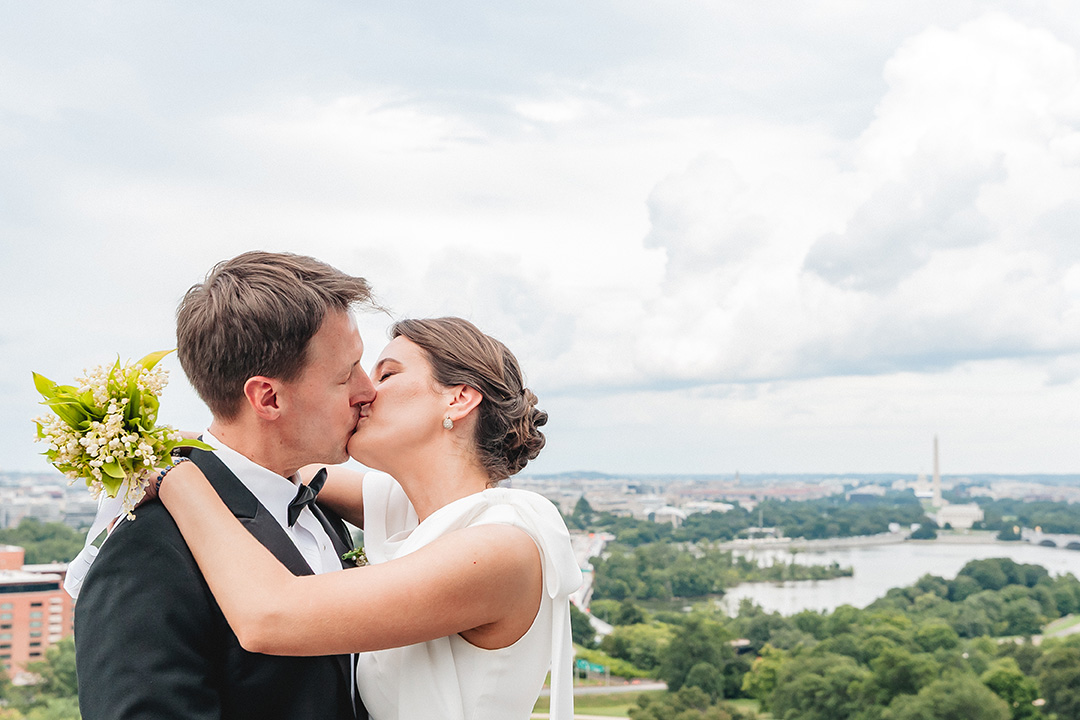
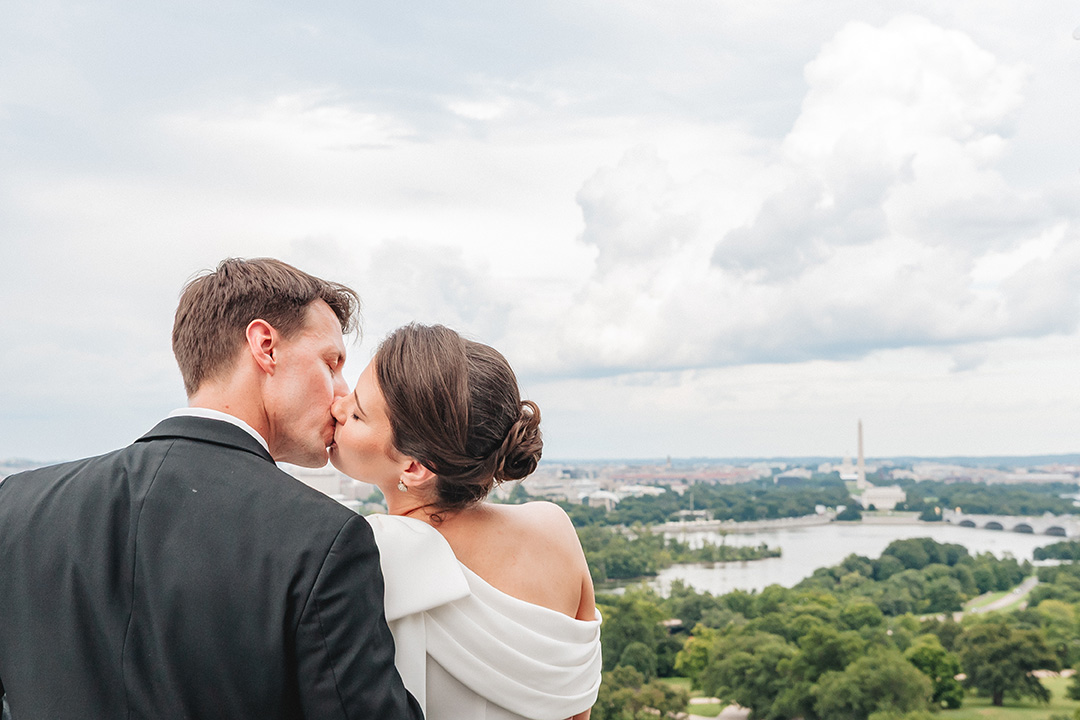

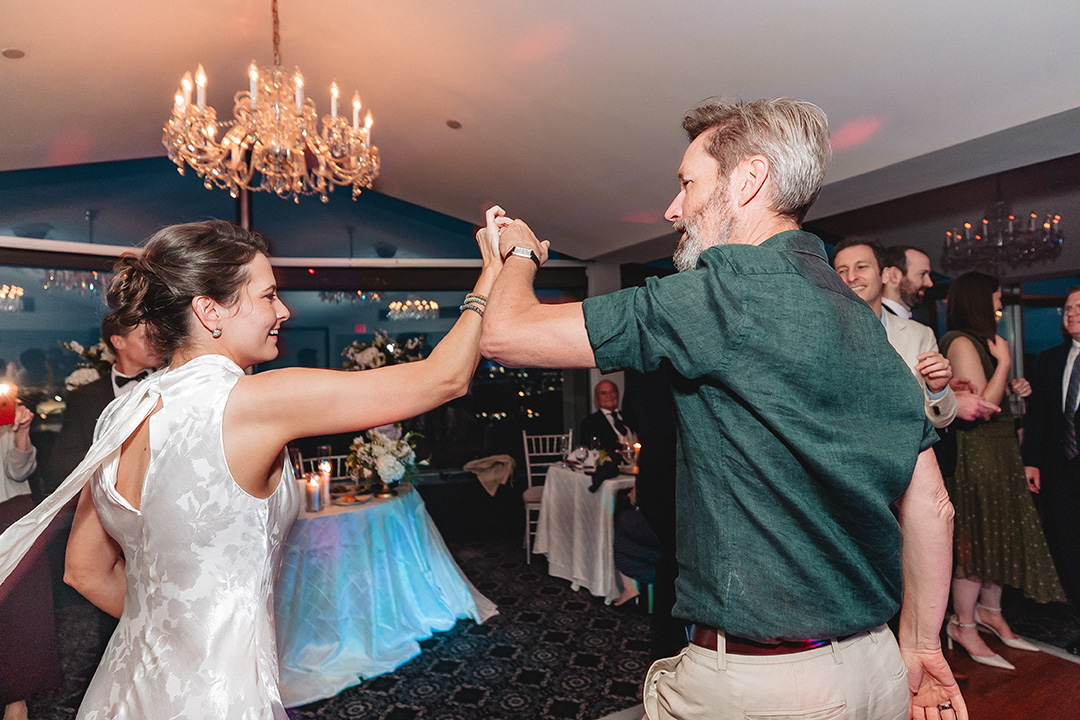
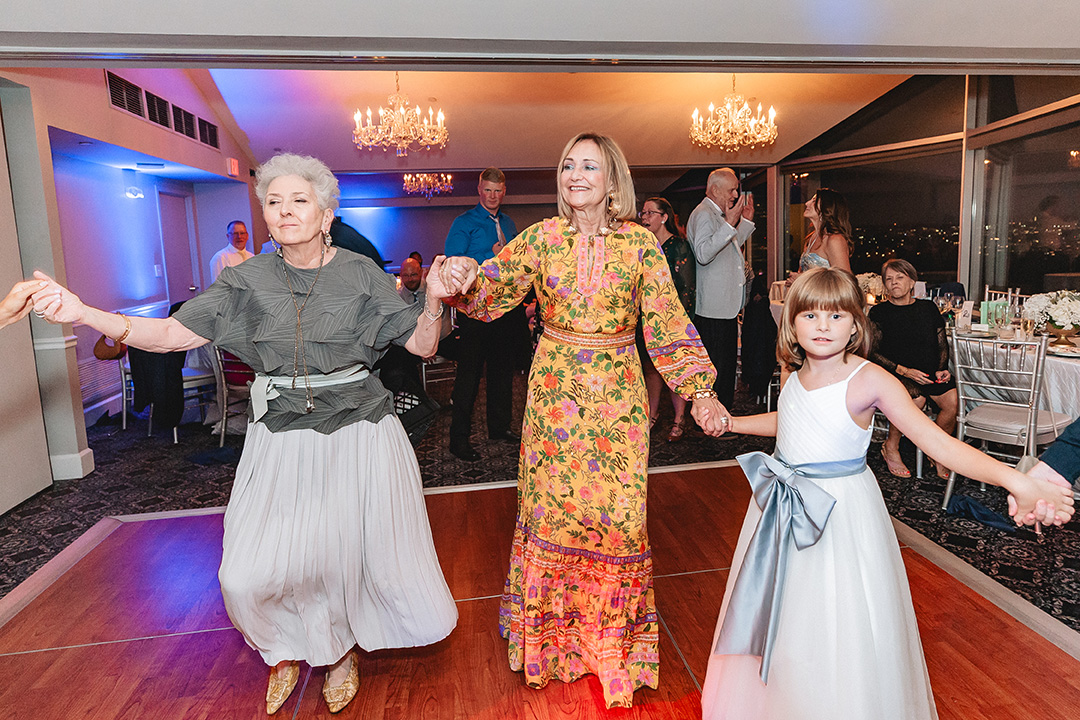
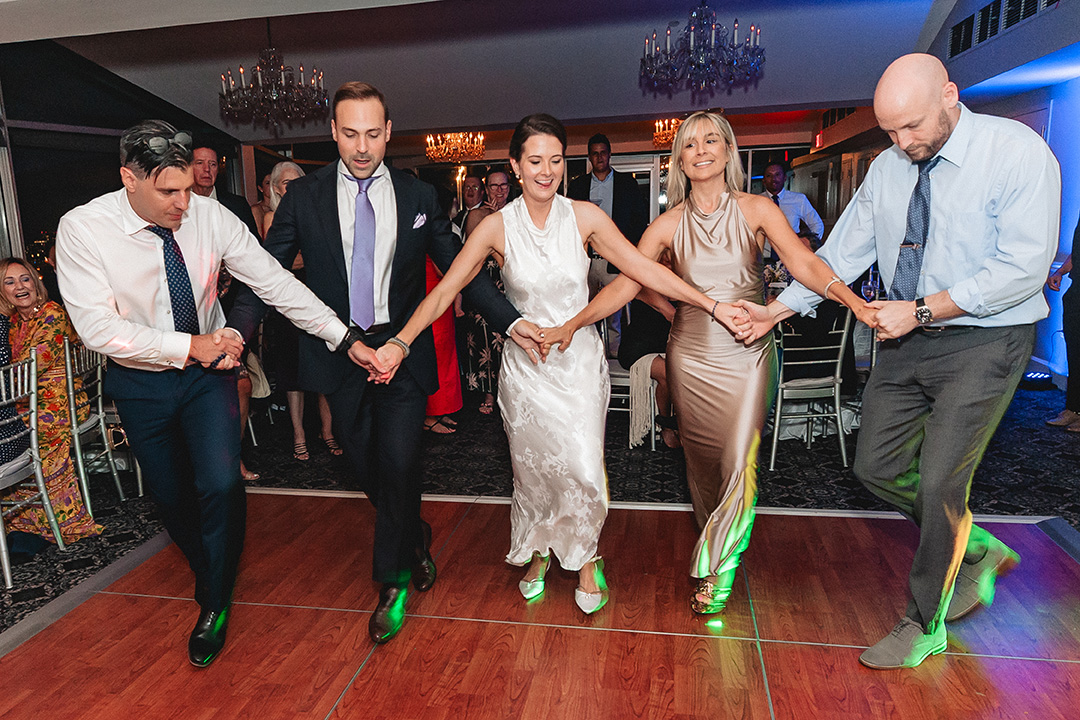
There is a particular kind of quiet that happens when the elevator doors open at Top of the Town. Couples walk out into the marble foyer, turn the corner, and stop talking mid-sentence. In front of them is a hundred-foot wall of glass, and behind that glass is the entire city: the Washington Monument, the Lincoln Memorial, the Capitol dome, the Jefferson Memorial, the Potomac curling between Virginia and the District. We have photographed this reaction more times than we can count, and it never gets old for us either.
We are a wedding photography studio, and our team has spent years working in and around this building. We have shot here in July heat, in October wind, in February when the sun set before dinner service started. We know where the light lands at four in the afternoon in November. We know which corner of the terrace gives you the Capitol over your shoulder and which one gives you the monument. That is the kind of thing we want to share with you here.
If you are newly engaged and working your way through a spreadsheet of Arlington VA wedding venues, this post is meant to save you some time. We are going to walk you through the history of the building, what the space actually feels like, how ceremonies and receptions work here, and — because it is what we do — a long section on photography, light, and timing. Our goal is that by the end you know whether a Top of the Town wedding is right for the day you are picturing.
The History of Top of the Town
The story starts in 1966, when the Prospect House condominium building was finished on the hill above Rosslyn. At the top of it opened a restaurant called Top O’ the Town, and for a generation of Washingtonians it was the place you went when you wanted a view with dinner. The location on the ridge meant that guests were looking down and across at the National Mall rather than up at it, which was unusual then and is still unusual now. The restaurant was written up in the local press for decades, and plenty of Arlington families have a grandparent who remembers an anniversary dinner there.
The restaurant closed in 1991. What followed was less romantic: the space sat empty for years while the building’s owners and the restaurant’s operators worked through a legal dispute. For most of the nineties, one of the best views in the Washington region belonged to an unused room with the lights off.
The Byrne family took it on and spent several years rebuilding it. The renovation is the reason the room looks the way it does today. They created a single reception room running a hundred feet along the view, and they replaced the original five-foot window openings with dramatic ten-foot spans of glass, which is what turns the view from a feature into the entire architecture of the room. They also built the open-air deck that now hosts so many ceremonies and cocktail hours. The venue hosted its first event in 1999, with family members reportedly still painting right up until guests arrived.
It has stayed family-owned and family-operated ever since, and that shows up in ways that matter to you on a wedding day. The staff hosts one event at a time. There is no second ballroom down the hall with someone else’s reception bleeding through the wall. When you book this Northern Virginia wedding venue, the penthouse is yours for the day.
Ceremony Options
You have two real choices here, and both of them are good ones. Couples sometimes agonize over this decision, and we usually tell them the same thing: there is no wrong answer, only a trade between open air and guaranteed conditions.
Rooftop Terrace Ceremonies
The open-air deck is the reason a lot of couples book this place. You walk down an aisle with nothing behind your officiant but sky and skyline. There is no arch that can compete with what is already there, and we would gently suggest you not try — the couples whose terrace ceremonies photograph best tend to keep the setup minimal and let the city do the work. A simple aisle, chairs, maybe two arrangements at the front, and that is genuinely enough.
Wind is the honest variable. You are on a rooftop on a hill, and there are afternoons when the air is moving more than you expected. Veils lift, programs travel, and hair that was set at ten in the morning has opinions by five. None of this ruins anything — some of our favorite frames from terrace ceremonies are the ones where a veil is caught mid-air — but it is worth knowing so you can plan hair accordingly and weigh down anything paper.
Rain is the other one. The venue will work with you on a call time for moving indoors, and because the ceremony and reception spaces are steps apart, the switch is not the logistical crisis it becomes at a venue with a tent in a field. As a rooftop wedding venue Virginia couples book specifically for the outdoor moment, it has an unusually painless backup plan.
Indoor Ceremonies Along the Window Wall
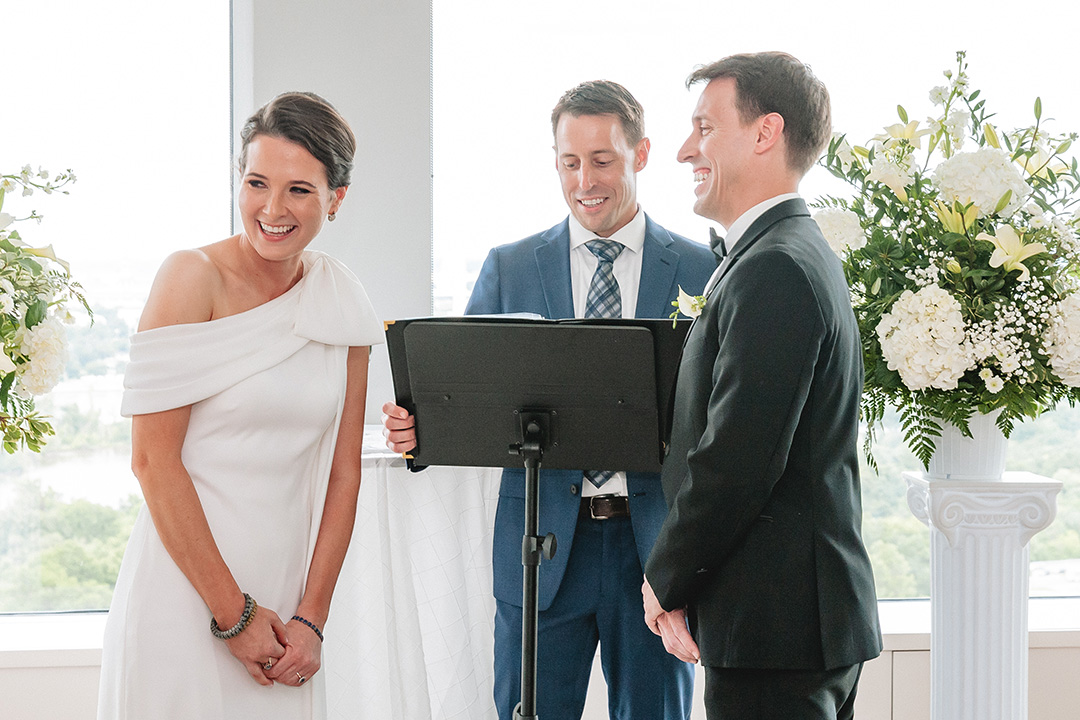
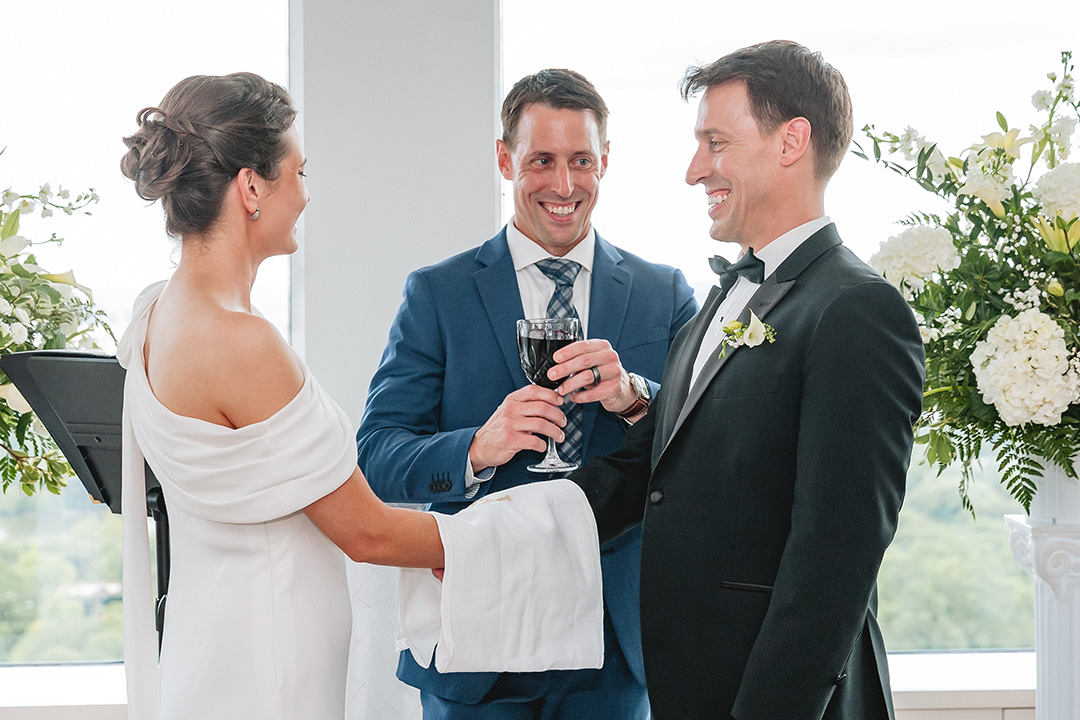
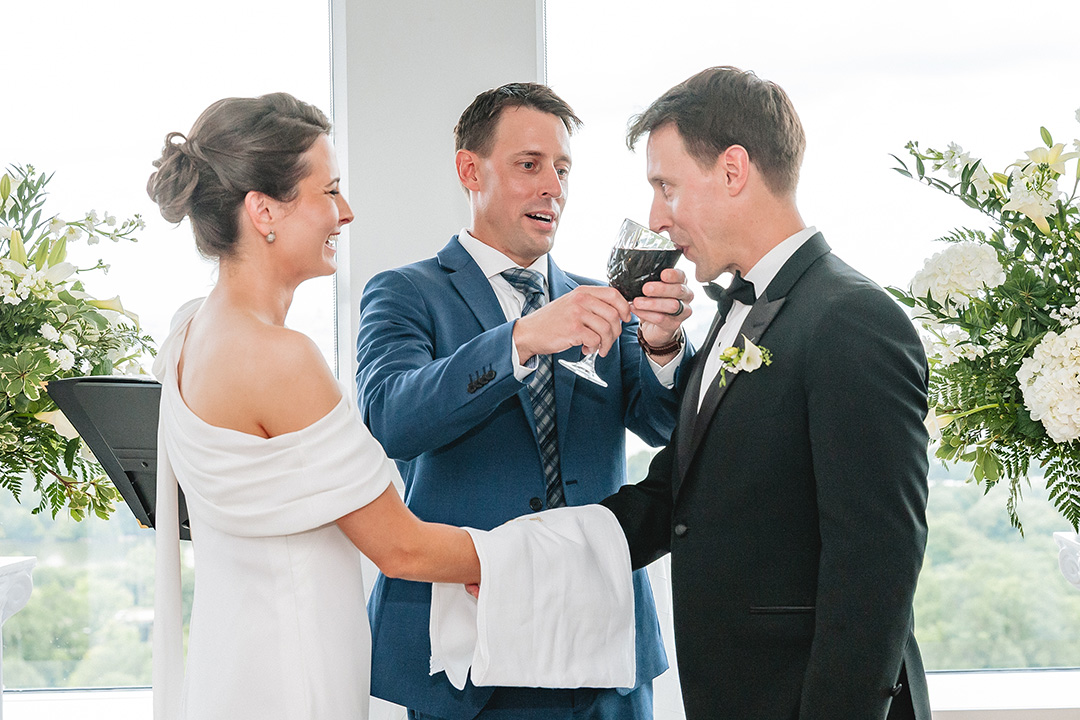
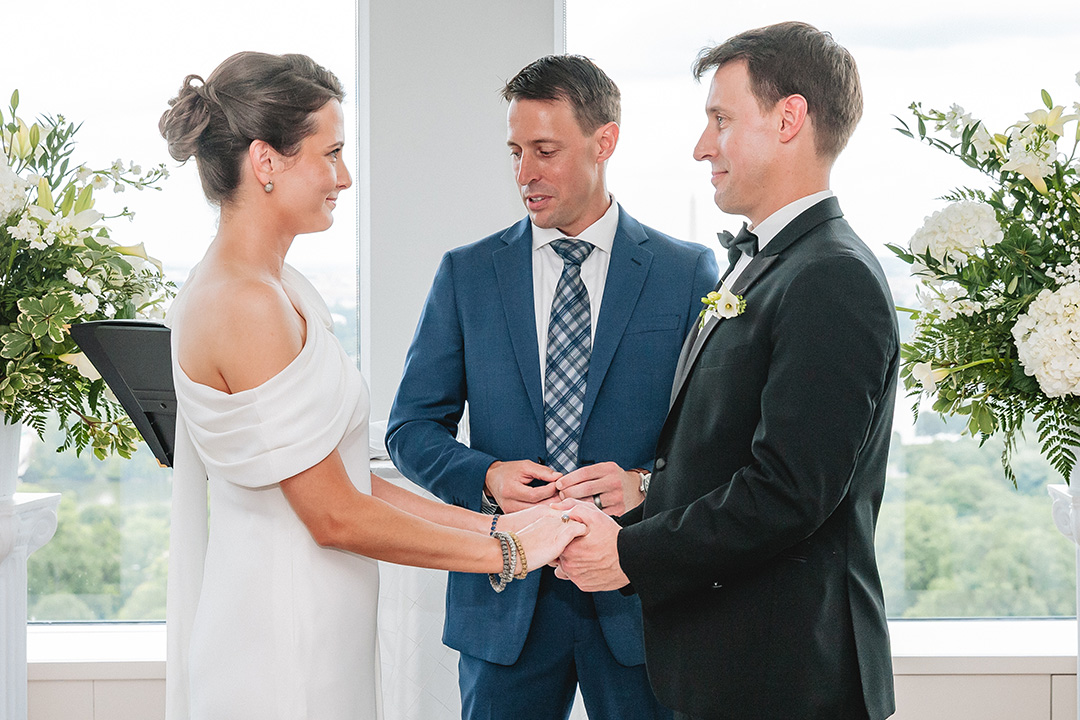
The indoor ceremony here is not a consolation prize. Standing your officiant in front of that glass gives you the same view with climate control and zero wind, and for a winter or high-summer date it is often the better call outright.
From a photography standpoint the indoor option is a little more technical for us and a little easier for you. Your guests are lit by an enormous window, which is beautiful, and you and your partner are standing directly in front of that window, which means we are working against a very bright background. We handle this by positioning slightly off the centerline of the glass, adding light where we need it, and metering for your faces rather than the skyline. It is a solved problem, and it is one of the reasons we encourage couples to hire someone who has worked in the room before. A Top of the Town wedding photographer who has not dealt with that window wall on a bright day will find out the hard way.
One practical note: a ceremony on the west side of the room in late afternoon means your guests may be squinting into direct sun. We usually talk through aisle orientation with the venue and your planner ahead of time, and small adjustments solve most of it.
Ceremony Layouts and Guest Counts
The penthouse comfortably handles weddings in the range most couples are planning — this is a space for celebrations up to roughly a hundred and fifty guests, and couples in the hundred-to-hundred-thirty range consistently tell us the room felt exactly right. Larger than that and the floor plan gets tighter; smaller than that and the room feels generous and open, which is not a bad problem to have.
Layouts vary. Some couples run the aisle down the length of the room parallel to the glass so that every guest is facing the view. Others run it perpendicular, walking toward the windows, which makes for a strong processional but seats fewer people with a clear sightline. Small ceremonies sometimes skip rows entirely and do a semicircle near the windows. The venue provides tables and chairs, including chiavari chairs, so you are not renting seating for two separate configurations.
The room flip is worth understanding. If you are having both your ceremony and reception indoors, the staff turns the space during cocktail hour. This is routine for them, but it does mean your cocktail hour has a fixed floor and cannot really run short. If you are on the terrace for the ceremony, the indoor room is already set and you skip the flip entirely.
Ceremony Timing and Sunset Planning
Here is the single most important scheduling decision you will make at this venue, and we say this to every couple: build your ceremony start time backward from sunset.
This building faces the sunset and the city at the same time, which is rare. The light in the twenty minutes before the sun goes down turns the monuments warm and gold, and the twenty minutes after it goes down turn the sky blue while the city lights come up. That is roughly forty minutes of the best photography you will get all day, and it happens at a fixed time you cannot negotiate with.
What we recommend is a ceremony that ends at least ninety minutes before sunset. That gives you time for family photos, a wedding party set, and a relaxed dinner start, with a planned pull-away for portraits right at the golden hour window. In June that means an early evening ceremony. In November it might mean a two o’clock. Couples who set their start time based on habit rather than the sun are the ones who end up trying to squeeze portraits in after dark, and while we can absolutely make night portraits work here, we would rather you have both.
Reception Options
The Hundred-Foot Ballroom
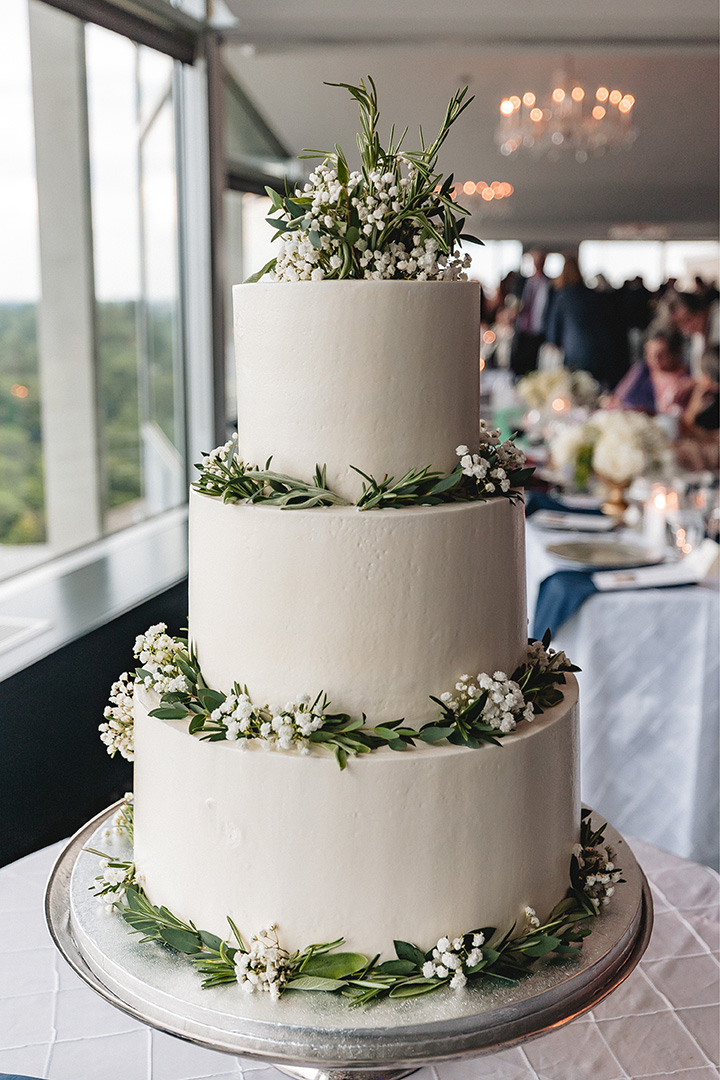
The reception room runs the full length of the view. Chandeliers, a wood panel dance floor, built-in seating along the windows, and uplighting that the venue can set to whatever color you have built your palette around. It is a genuinely elegant room, and it has an advantage that a lot of couples do not think about until they are standing in it: you do not have to decorate it into something. The view is the centerpiece. Florals and linens are supporting cast.
An Arlington ballroom wedding reception here scales well. At a hundred guests there is room to move, a real dance floor, and space for a band. At a hundred and forty the room is full and lively without feeling packed. The built-in sound system handles toasts and background music, and most couples bring in a DJ or band from the venue’s approved list for the dancing portion.
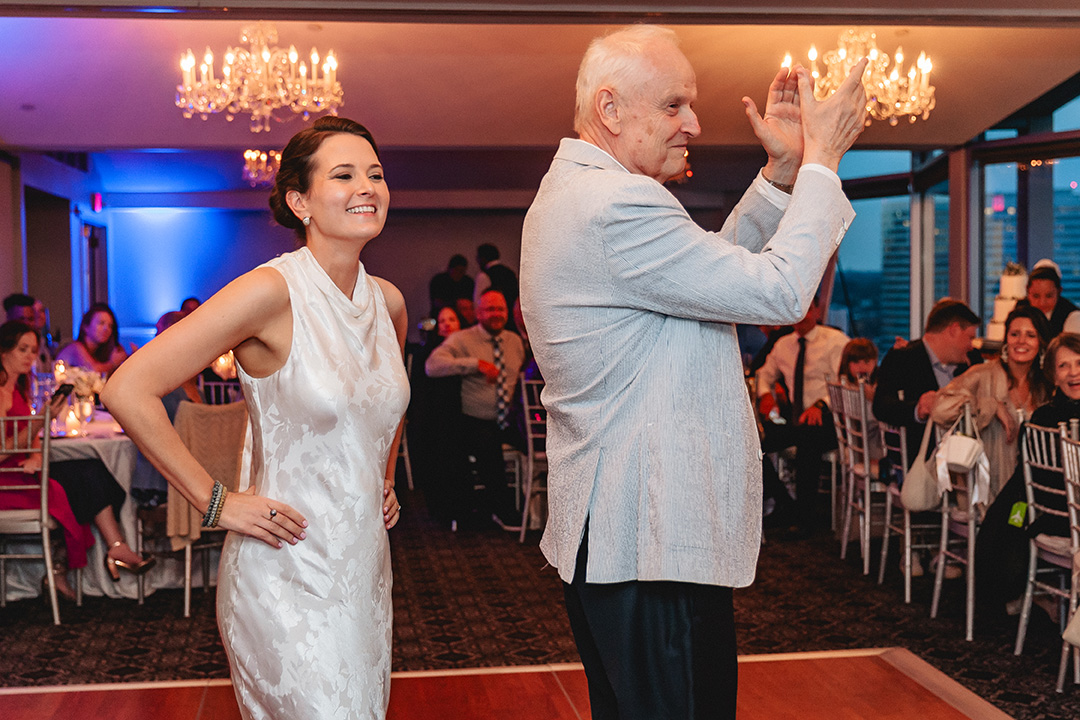
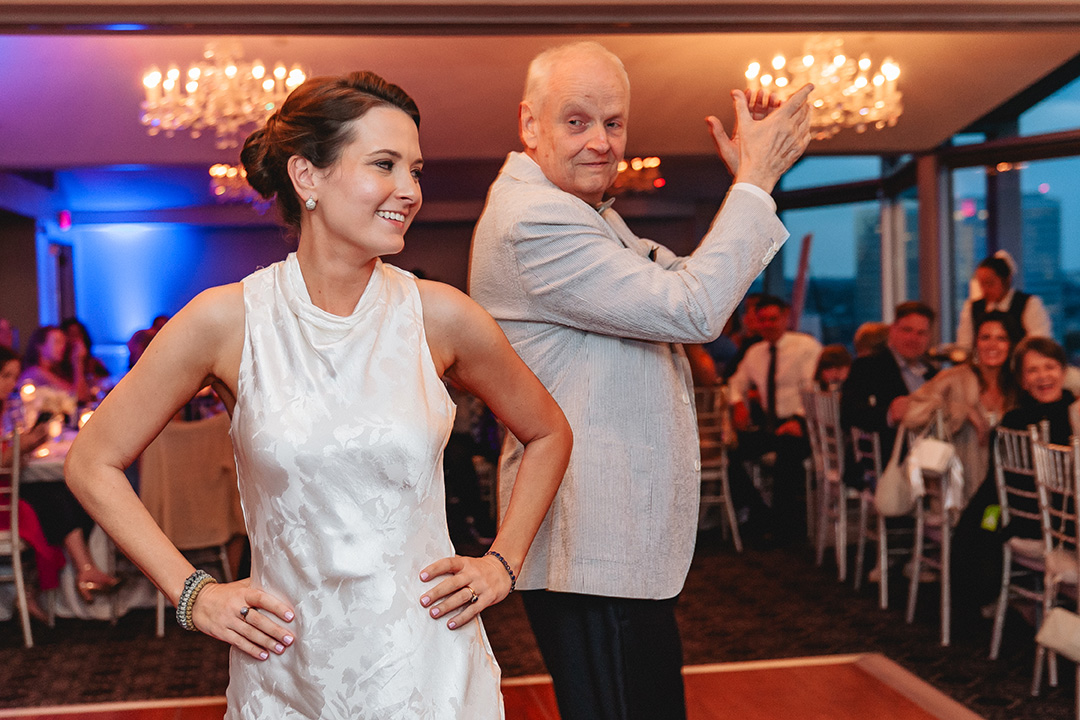
Something we notice repeatedly: guests do not leave this room. At a lot of venues people drift outside or to the bar between courses. Here they stay near the windows, and the perimeter of the room stays occupied all night, which gives us a much livelier set of candid photos than we get in most spaces.
Cocktail Hour on the Open-Air Deck
Cocktail hour on the deck is, for our money, the best hour of the day at this venue. Your guests step outside with a drink, the city is spread out in front of them, and the light is usually at its most flattering. Wide shots of a hundred people gathered on a rooftop with the Washington Monument behind them are the frames couples end up printing large.
Flow is easy because everything is on one floor. Guests move from the ceremony to the deck in under a minute, which means your cocktail hour actually gets its full hour instead of losing fifteen minutes to transit. If you are doing a terrace ceremony, the staff clears chairs while guests are at the bar.
Weather adjusts this more than it cancels it. In July, we suggest shade, water, and a shorter outdoor window. In late October, a heat lamp or a basket of blankets keeps people outside longer than they otherwise would stay. In January most couples keep cocktail hour indoors and use the deck only for a quick portrait run.
Dinner, Dancing, and Floor Plan Flow
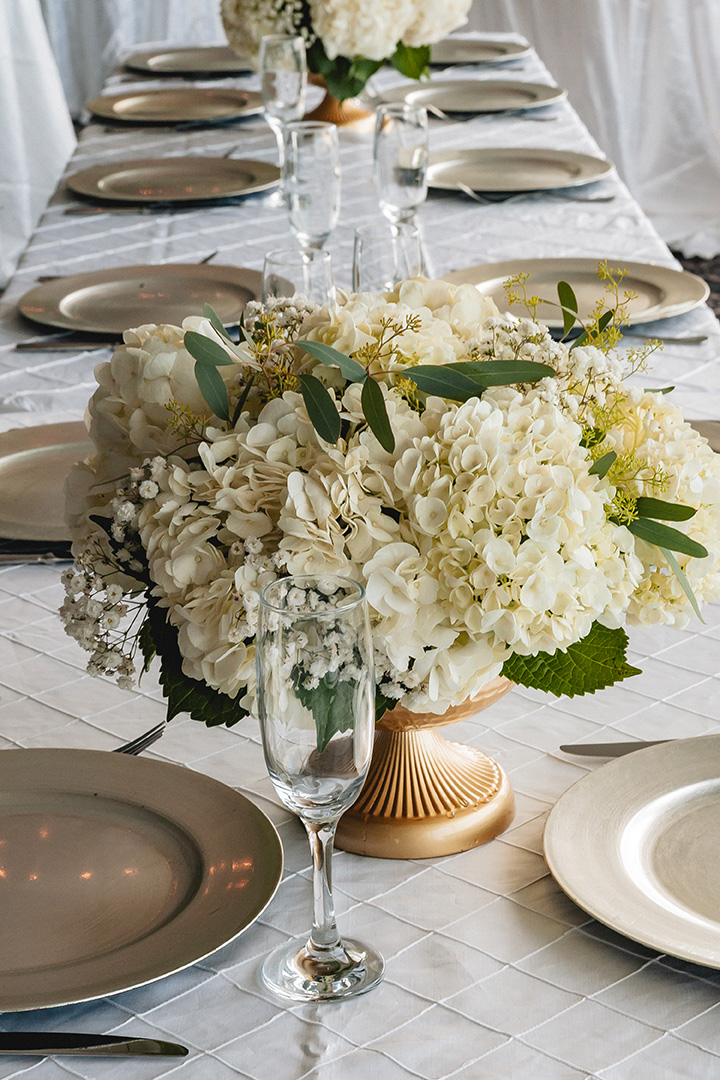
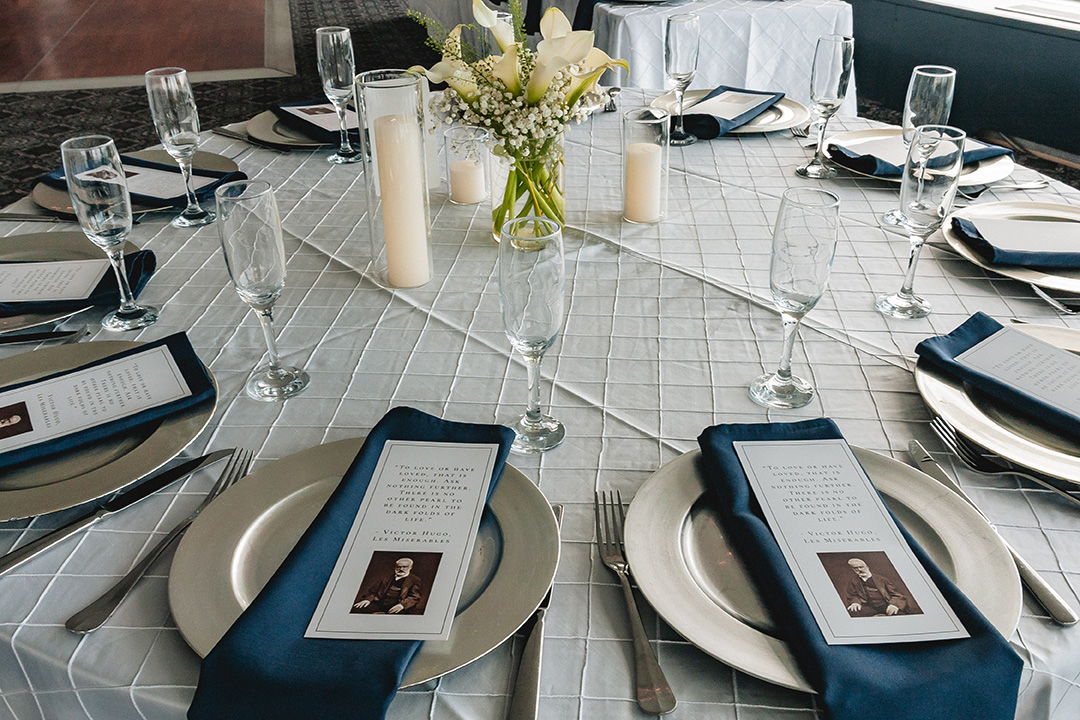
How you arrange tables changes the whole feel of dinner. Long tables running parallel to the glass put the maximum number of guests in front of the view, and they photograph beautifully from either end. Rounds fit more people and make conversation easier, but a few tables inevitably end up with their backs to the windows. Most couples land on a mix.
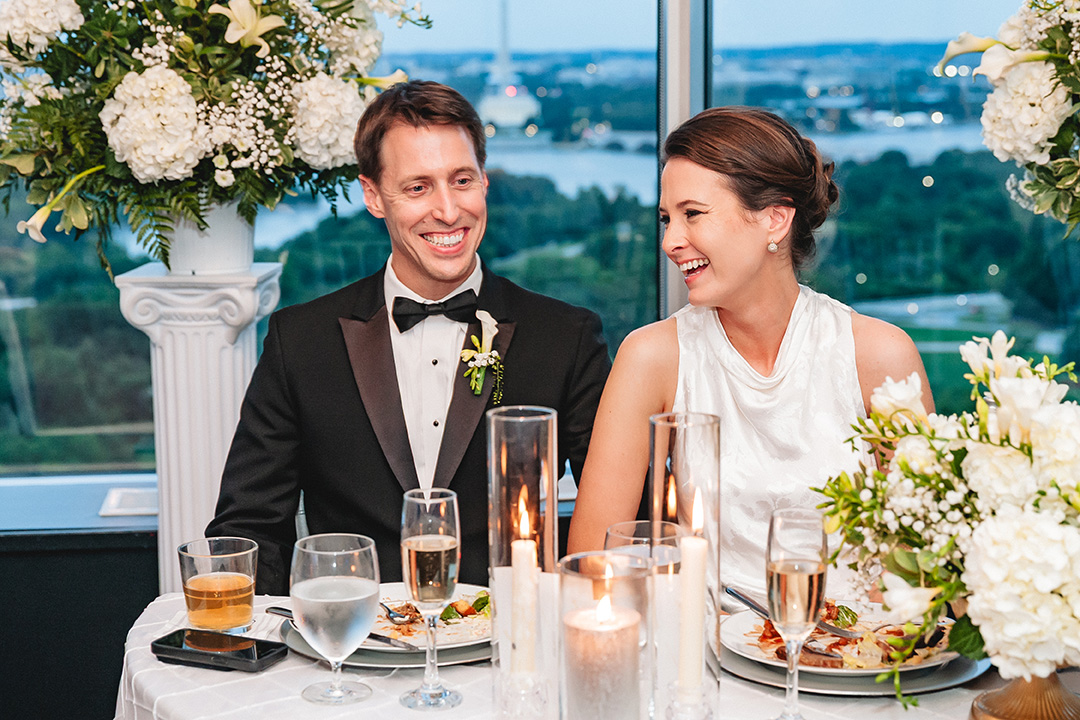
Sweetheart tables and head tables both work. We slightly prefer a sweetheart table positioned so the two of you have the view behind you, because it means every photograph of you eating, laughing, and leaning in during dinner has the skyline in it. A long head table against the glass does the same thing for your whole wedding party.
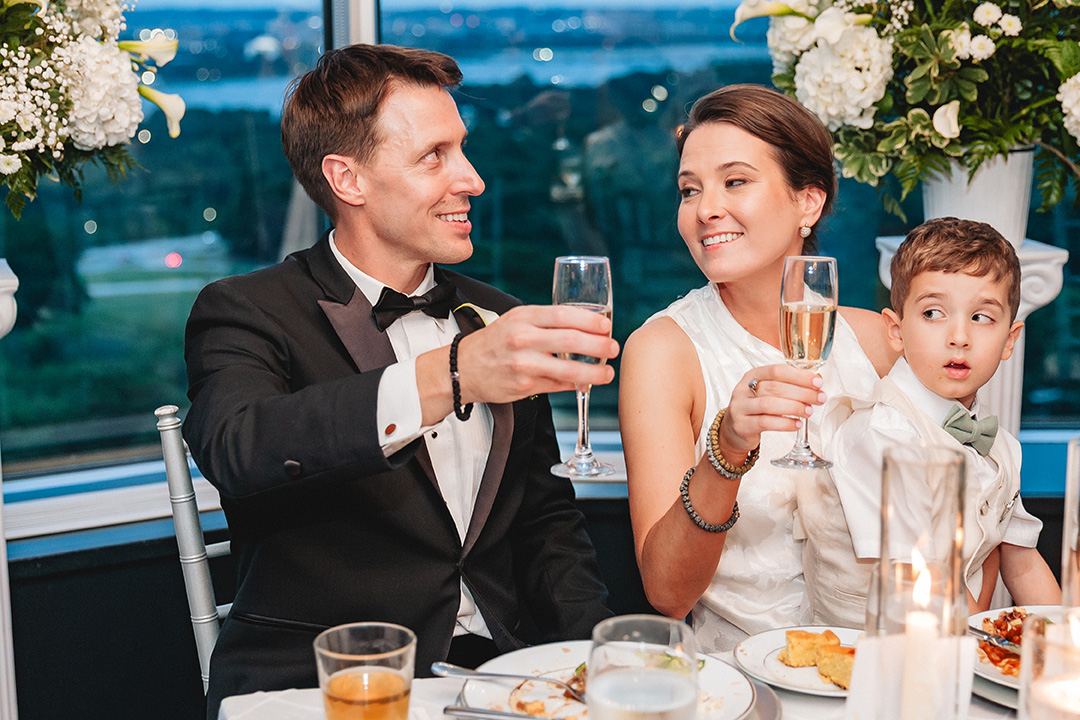
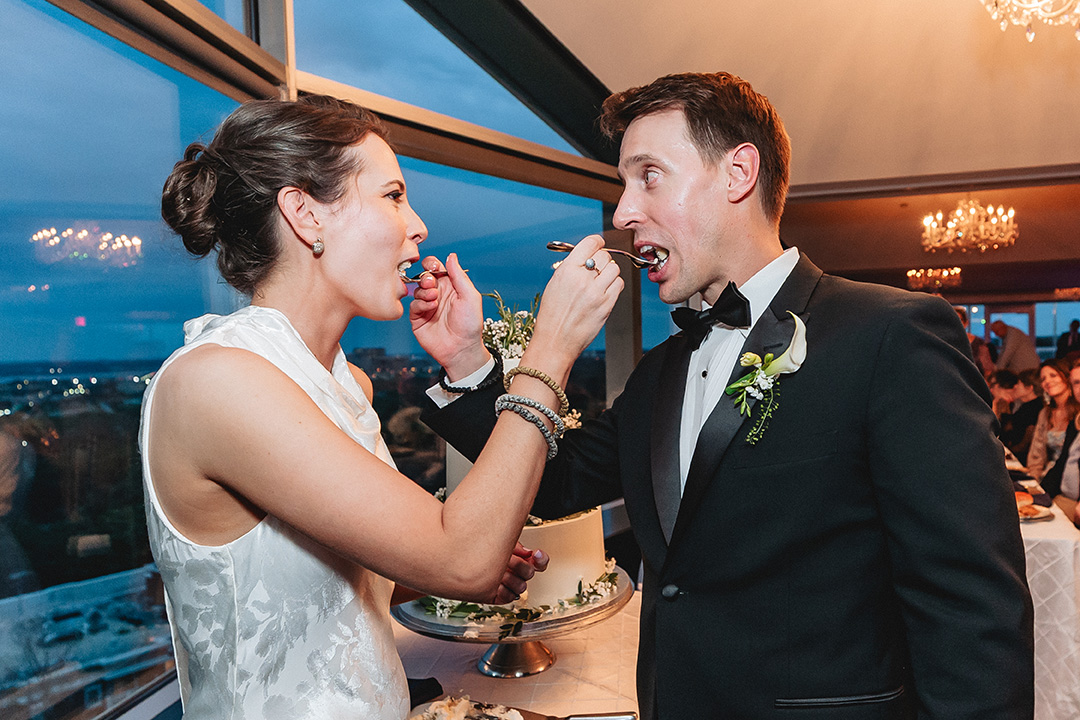
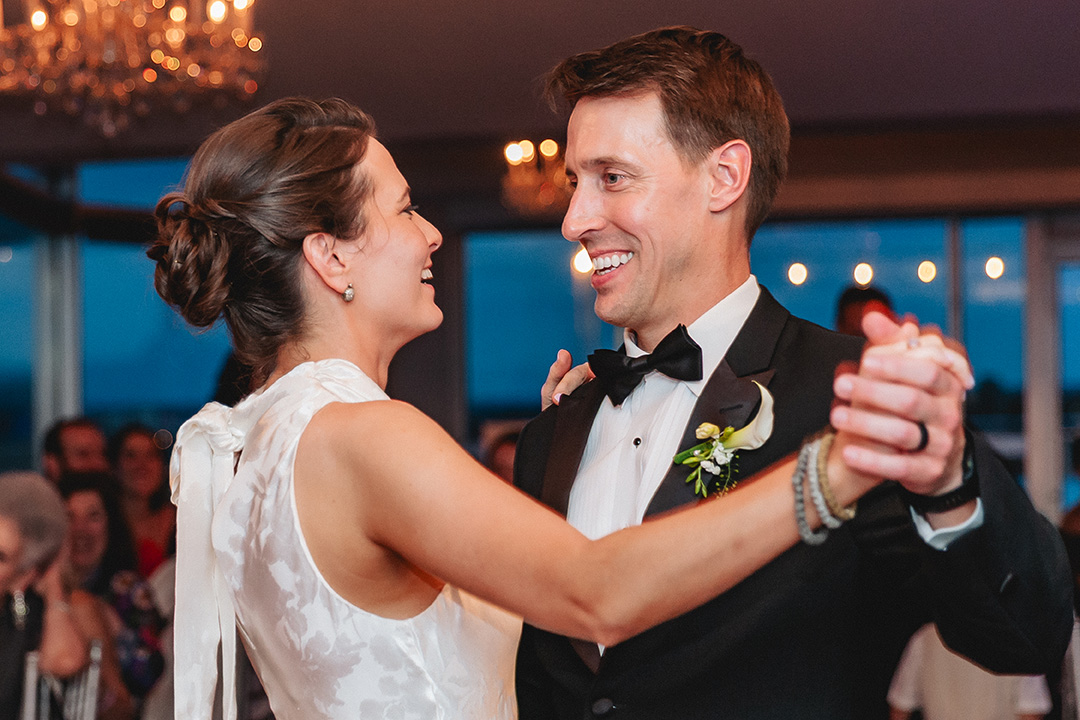
Toasts land well in this room because the acoustics are contained and there is no competing noise from another event. First dances happen on the wood floor with the city as a backdrop, and as the evening goes on and the room lights come down, the windows shift from being a bright wall to being a dark frame full of lit monuments. The room at ten at night looks nothing like the room at four in the afternoon, and that transformation is one of the real pleasures of covering a wedding here.
Photography at Top of the Town
This is the part we care most about, and it is where the venue rewards planning more than almost any space we work in.
Natural Light in the Ballroom
A hundred-foot span of ten-foot glass is, functionally, the largest softbox any of us will ever shoot with. During daytime coverage the room fills with clean directional light, which means detail shots, dress and ring photos, and the small candid moments before the ceremony all have a natural quality that we would otherwise have to build with equipment.
It also means contrast. The difference between the brightness of the windows and the interior of the room is significant, and how we handle that is a real craft decision rather than a setting. Depending on the moment we will expose for skin and let the city go bright, expose for the city and shape you with added light, or work at an angle where both hold. Our team works this room often enough that we are making those calls in real time rather than experimenting on your wedding day.
One thing worth flagging as you plan: the venue does not have dedicated getting-ready suites, so most couples we work with prepare at a hotel nearby and arrive dressed. That is easy to accommodate — Rosslyn has good options within a few minutes — but it does affect your timeline, and it is a question we ask early. Our Northern Virginia wedding photography coverage frequently starts at the hotel and moves with you to the penthouse.
Golden Hour and Monument Backdrops
We plan every wedding here around a ten-to-fifteen-minute portrait window at golden hour. Not thirty. Not an hour. The light that makes this venue famous is brief, and the way to use it is to have you outside and ready, not still finishing a course.
What we do with that window depends on the season and your dress, but the positions are consistent. There is a spot on the terrace where the Washington Monument sits over your left shoulder and the light comes across your faces. There is another where the Capitol reads clearly in the distance and the Potomac catches the last of the sun. For couples who specifically want the DC skyline wedding photos that brought them to this wedding venue with monument views in the first place, those two frames are usually the ones that end up on the wall.
We are honest with couples about overcast evenings. Some nights there is no golden hour — just a soft gray fade. That is fine. The city still reads, the light is even and flattering, and we shift toward a slightly moodier treatment. We have never had a couple regret their portraits because of weather, but we have had couples regret not leaving the room in time.
Night Skyline and City Light Portraits
After dark this venue becomes something else entirely. The monuments are lit, the bridges are lit, the planes are coming into National, and the whole view goes from scenery to spectacle.
Night portraits here require light we bring ourselves. We work with off-camera flash on the terrace, balancing your exposure against the city so that both hold — you lit and dimensional in the foreground, the skyline sharp and glowing behind. This is technical work, and it is the reason we usually have a second photographer running light while the primary shoots. It is also why we build a second, shorter pull-away into the timeline: five or ten minutes after dinner, when the sky is fully dark, for a set of frames that look nothing like the golden hour set.
We should say plainly that not every Arlington VA wedding photographer is set up for this. Shooting a lit city as a background rather than letting it blow out or disappear takes gear and repetition. If you are touring this venue with other studios, it is a fair and useful question to ask them.
Seasonal Considerations
Spring and fall are the obvious answers and the competitive ones. Terrace weather is reliable, sunset lands at a civilized hour, and the whole day can happen partly outdoors. These dates book furthest out, so if you are looking at an October Saturday, you are looking early.
Summer gives you the longest days and the latest sunsets, which pushes your golden hour portraits well into the reception. That is workable — we simply plan the pull-away between dinner and dancing rather than before dinner. Heat on the deck is the thing to manage, and a shorter outdoor cocktail hour with plenty of water solves most of it.
Winter is underrated here, and we say that as people who have shot a lot of December weddings in this room. Sunset comes early, which means your ceremony is early and your entire evening happens against a lit city. The room with its chandeliers and uplighting feels warm in a way it does not in July, and the view at five in the afternoon in January is spectacular. Rates also tend to be friendlier outside peak season, which is worth asking about.
Whichever season you choose, the timeline we build for you will be different. A June wedding and a January wedding at this Washington DC skyline wedding venue have the same components in a completely different order.
What Makes a Wedding Here Different
A few things, and they are not the things venue listings emphasize.
The first is that you do not need a decorating budget to make this room look extraordinary. Couples touring blank spaces are often quietly calculating what it will cost to transform them. Here, the transformation already happened in 1999 and again every evening at sunset. Money you might have spent on draping goes into food, music, or photography instead.
The second is privacy. One event at a time, a private elevator up, your own parking. Your day is not sharing a lobby with a corporate holiday party.
The third is the Washington experience without Washington logistics. Your guests get the monuments, the skyline, the sense of having celebrated in the capital — and they get free parking in a private lot and easy access from the Metro instead of navigating District traffic and garage rates. For couples with a lot of travelers coming in, that combination is hard to beat, and it is a large part of why a Top of the Town wedding venue tour so often ends the search.
The fourth is the reaction. We photograph guests arriving here, and it is the same every time: the doors open, someone says something under their breath, and forty people reach for their phones at once. That happens at very few places.
Closing Thoughts
This venue fits couples who want a view to be the defining feature of their wedding, who are planning for somewhere between roughly eighty and a hundred and fifty guests, and who like the idea of an evening that changes character as the light does. It fits couples with out-of-town guests who want to give them a real sense of place. It is less of a fit if you are set on a sprawling outdoor property, a getting-ready suite on site, or a guest list well past a hundred and fifty.
From our side of the camera, this is one of the more rewarding rooms in the region to work in, and one of the more demanding. The light is generous and difficult in equal measure, the best window of the day is short, and the difference between a good set of images and a great one usually comes down to a timeline built weeks in advance. That planning conversation is one we are always glad to have, whether or not you end up working with us.
Congratulations on the engagement. If you are considering a Top of the Town wedding and want to talk through timing, light, or how a day here actually flows, our team would love to hear from you.